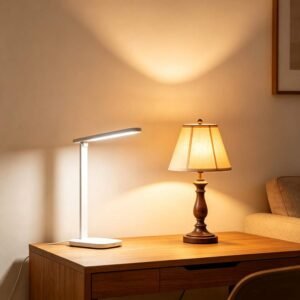

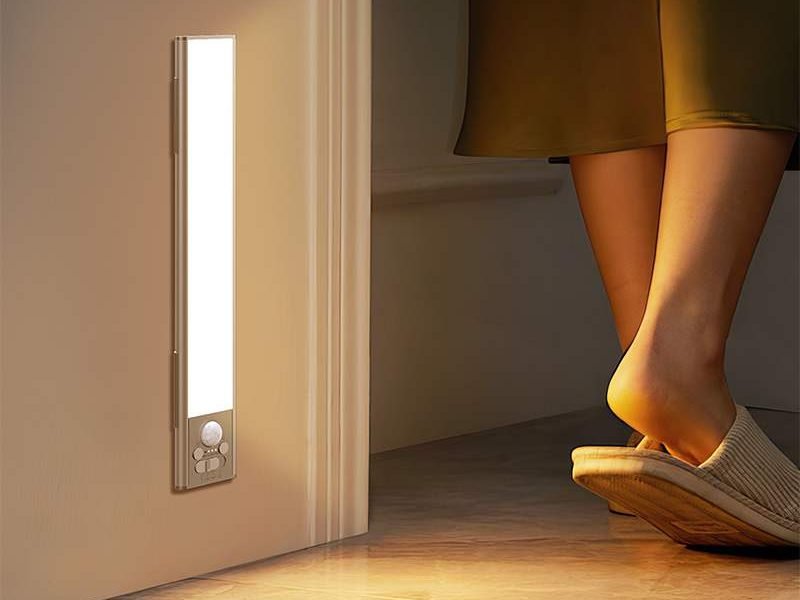
A hallway is one of the most frequently used areas in a home, but it is often overlooked when planning indoor lighting. Unlike living rooms or kitchens, hallways are mainly used for walking between different rooms. However, poor visibility at night can make these spaces inconvenient and potentially unsafe, especially for children, elderly family members, and anyone who needs to move around while others are sleeping.
A hallway motion sensor LED light offers a practical solution. Instead of manually switching the light on and off, it automatically activates when movement is detected and turns off after a period of inactivity. Combined with the energy efficiency of LED technology, this type of lighting provides a convenient and cost-effective way to illuminate hallways.
So, what makes a hallway motion sensor LED light worth installing? Here are the key benefits and factors to consider.
1. Automatic Lighting for Greater Convenience
One of the biggest advantages of a hallway motion sensor LED light is automatic operation.
Traditional hallway lighting requires users to find and operate a wall switch every time they enter or leave the area. This can be inconvenient when carrying groceries, holding a child, or walking through a dark hallway at night.
Motion sensor lighting eliminates this extra step. When someone enters the sensor’s detection area, the light turns on automatically. After the person leaves and no further movement is detected, the light switches off after a preset delay.
This hands-free operation is especially useful for:
- Hallways connecting bedrooms and bathrooms.
- Entrance corridors and passageways.
- Areas frequently used during nighttime.
- Homes with children or elderly residents.
By reducing the need for manual operation, motion sensor lighting makes everyday movement around the home more comfortable.
2. Improved Safety During Nighttime Movement
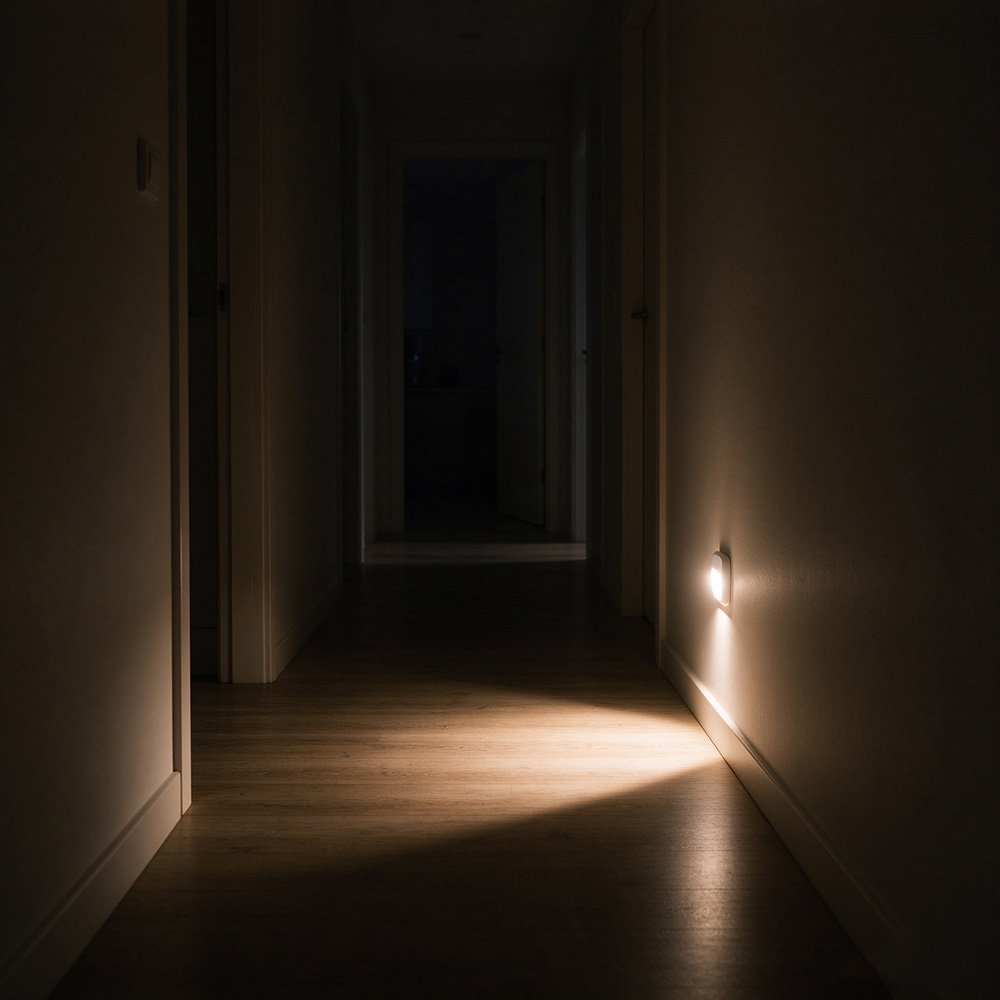
Hallways often contain furniture, doorways, steps, and other obstacles that may be difficult to see in low-light conditions.
Walking through a dark hallway can increase the risk of tripping or bumping into objects. This is particularly concerning for elderly people and young children.
A hallway motion sensor LED light provides illumination exactly when it is needed, helping users identify obstacles and navigate the space more confidently.
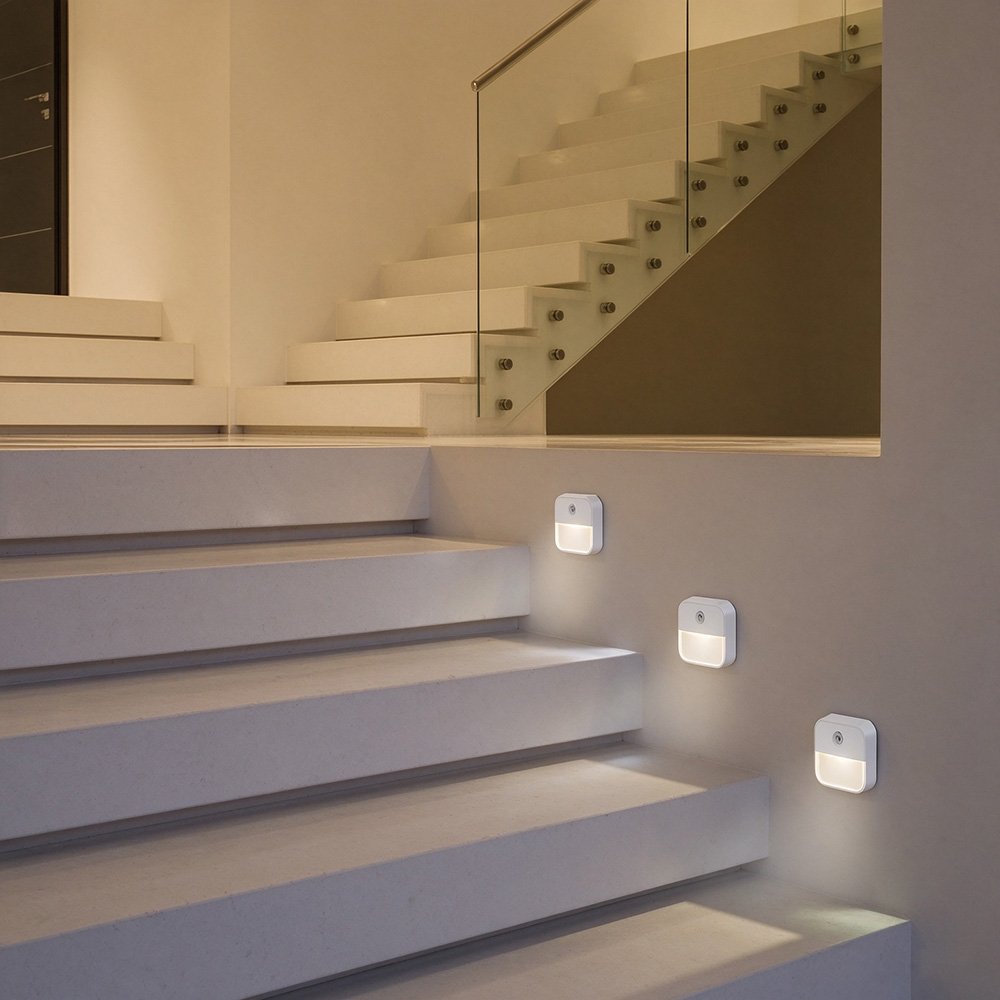
For homes with stairs or changes in floor level, motion sensor lights can be installed near the floor, along stair walls, or at important turning points to improve visibility.
It is important to choose an appropriate brightness level. The light should provide enough illumination for safe movement without being excessively bright, particularly at night when people’s eyes are adapted to darkness.
3. Lower Energy Consumption
Energy efficiency is another important benefit of hallway motion sensor LED lights.
Traditional hallway lights may remain switched on for hours, even when nobody is using the space. Motion sensor lighting reduces unnecessary operating time by activating only when movement is detected.
LED technology further improves efficiency because LEDs generally consume less electricity than traditional incandescent bulbs for comparable light output.
For example, consider a 5W LED hallway light that operates for an average of 2 hours per day.
Its estimated annual electricity consumption would be:
5W × 2 hours × 365 days = 3.65 kWh
Actual energy savings depend on the fixture’s power consumption, detection frequency, operating duration, and the lighting system being replaced. Nevertheless, combining LED technology with automatic shutoff can help reduce electricity usage.
4. Longer LED Service Life
LED lights are generally known for their long rated service life. Depending on product quality and operating conditions, many LED fixtures are rated for tens of thousands of operating hours.
Motion sensor control can further reduce the number of hours the light remains switched on.
For example, a hallway light that only operates when someone passes through the area will generally accumulate fewer operating hours than a light that stays on continuously.
This may help extend the time before maintenance or replacement is required.
However, the actual service life also depends on the LED driver, heat dissipation, electronic components, and overall product design. A reliable motion sensor system should therefore be considered alongside the LED light source itself.
5. Flexible Installation Options
Hallway motion sensor LED lights are available in different shapes and installation styles, making them suitable for various hallway layouts.
Common options include:
Wall-Mounted Lights
These are installed directly on hallway walls and can provide localized illumination along walking paths. They are suitable for both decorative and functional lighting.
Recessed Motion Sensor Lights
Recessed fixtures can be integrated into walls or ceilings for a clean, minimalist appearance. They are especially useful in modern interior designs.
Plug-In Motion Sensor Lights
These lights connect directly to an electrical outlet, making installation relatively simple without additional wiring.
Rechargeable Motion Sensor Lights
Rechargeable models offer greater flexibility because they do not require permanent electrical connections. Some feature magnetic mounting plates or adhesive brackets, allowing users to install and remove them easily.
When selecting an installation method, consider the hallway’s existing wiring, wall structure, available outlets, and desired lighting position.
6. Smart Lighting Control with Different Sensor Modes
Modern hallway motion sensor LED lights may include more than basic motion detection.
Understanding the available sensor functions can help you choose a product that matches your daily requirements.
PIR Motion Sensors
PIR (Passive Infrared) sensors detect changes in infrared radiation caused by moving people or objects.
They are widely used in residential motion sensor lights because they provide automatic activation without requiring users to touch a switch.
Ambient Light Sensors
Some hallway lights also include an ambient light sensor that measures surrounding brightness.
This allows the light to operate only when the environment is sufficiently dark, preventing unnecessary activation during daylight hours.
Combined Motion and Light Sensors
A combination of PIR motion detection and ambient light sensing offers greater control.
For example, the light can be configured to turn on only when someone enters the hallway at night. This helps avoid unnecessary operation when there is already sufficient natural or artificial light.
Some advanced models also provide adjustable detection sensitivity, timer settings, and brightness control.
7. Create a More Comfortable Home Lighting Environment
A hallway is not simply a passage between rooms. It also contributes to the overall appearance and atmosphere of a home.
Motion sensor LED lights are available in different color temperatures and designs, allowing homeowners to combine practical illumination with interior decoration.
For example:
- Warm White (2700K–3000K):Creates a soft and relaxing atmosphere, making it suitable for nighttime hallway lighting near bedrooms.
- Neutral White (3500K–4000K):Provides balanced illumination for general hallway use.
- Cool White (5000K–6500K):Produces a brighter, cooler appearance, although it may feel less comfortable in residential hallways at night.
For most homes, warm white or neutral white is a practical choice. Some dimmable models also allow users to adjust brightness according to different lighting needs.
What to Consider When Choosing a Hallway Motion Sensor LED Light
Although these products offer many benefits, selecting the right model is essential for good performance.
Here are several important factors to check before purchasing:
Factor | What to Consider |
Brightness | Enough illumination for safe movement without excessive glare |
Detection Range | Suitable for the length and layout of the hallway |
Detection Angle | Covers the direction from which people approach |
Sensor Type | PIR, ambient light sensor, or combined sensing |
Power Supply | Plug-in, hardwired, rechargeable, or battery-powered |
Auto-Off Timer | Adjustable delay to suit usage frequency |
Color Temperature | Comfortable light color for nighttime movement |
Installation | Suitable mounting method for the available space |
For longer hallways, you may need multiple lights to provide consistent coverage. Avoid positioning sensors where furniture, doors, or other obstacles may block detection.
Conclusion
A hallway motion sensor LED light is a practical upgrade for modern homes. It provides automatic illumination, improves nighttime visibility, reduces unnecessary energy consumption, and offers flexible installation options.
Whether you choose a wall-mounted, recessed, plug-in, or rechargeable model, the key is to match the sensor performance, brightness, power supply, and installation position to your hallway layout.
With the right product, you can make everyday movement around your home safer, more convenient, and more energy-efficient.