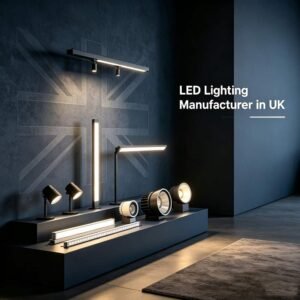

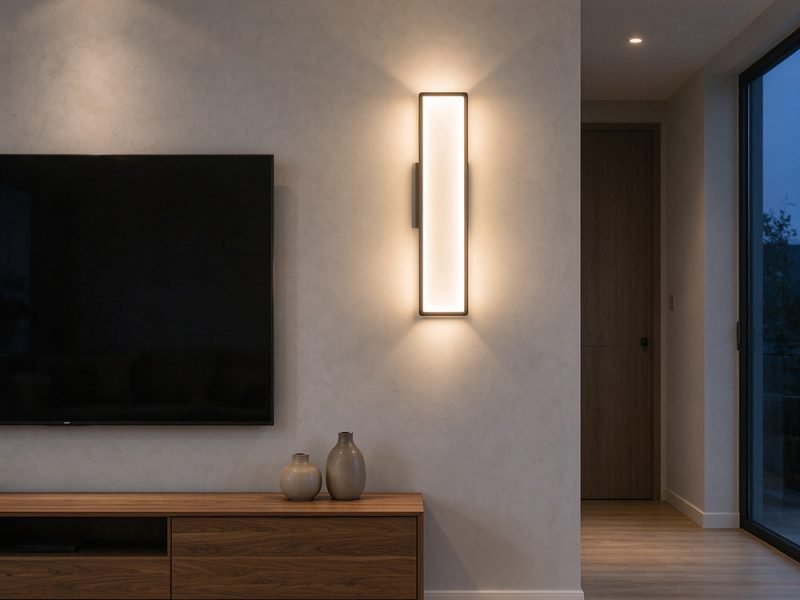
An LED wall light is a popular lighting solution for modern homes, commercial spaces, hotels, and outdoor environments. Unlike traditional ceiling lights or table lamps, wall-mounted lighting fixtures are installed directly on walls, providing both functional illumination and decorative value.
With the development of LED technology, modern LED wall lights are available in a wide range of designs, including minimalist wall sconces, rechargeable wall lamps, up-and-down lights, reading lights, and smart lighting fixtures. They can be used as primary supplementary lighting, ambient lighting, or decorative lighting in different environments.
However, like any lighting product, LED wall lights have both advantages and disadvantages. Before choosing one for your space, it is important to understand their performance, installation requirements, and limitations.
Advantages of LED Wall Lights
1. Energy Efficiency
One of the biggest advantages of LED wall lights is their energy efficiency.
LED technology converts a higher proportion of electrical energy into visible light compared with traditional incandescent lighting. This means an LED wall light can provide sufficient illumination while consuming relatively little electricity.
For example, an LED wall light may provide a similar level of brightness to a higher-wattage traditional incandescent fixture while using significantly less power.
For households and commercial buildings with multiple wall lights operating for extended periods, this lower energy consumption can help reduce electricity costs over time.
2. Long Service Life
LED wall lights generally have a longer rated operating life than traditional incandescent and many fluorescent lighting products.
Depending on the LED components, driver quality, thermal management, and operating conditions, some LED fixtures are rated for approximately 25,000 to 50,000 hours or more.
A longer service life means fewer replacements and less maintenance, especially in locations where wall lights are difficult to access.
However, the actual lifespan of an LED wall light depends not only on the LED chips but also on the power supply, heat dissipation, and overall product quality.
3. Wide Variety of Designs
LED wall lights are available in numerous shapes, sizes, finishes, and lighting directions.
Common designs include:
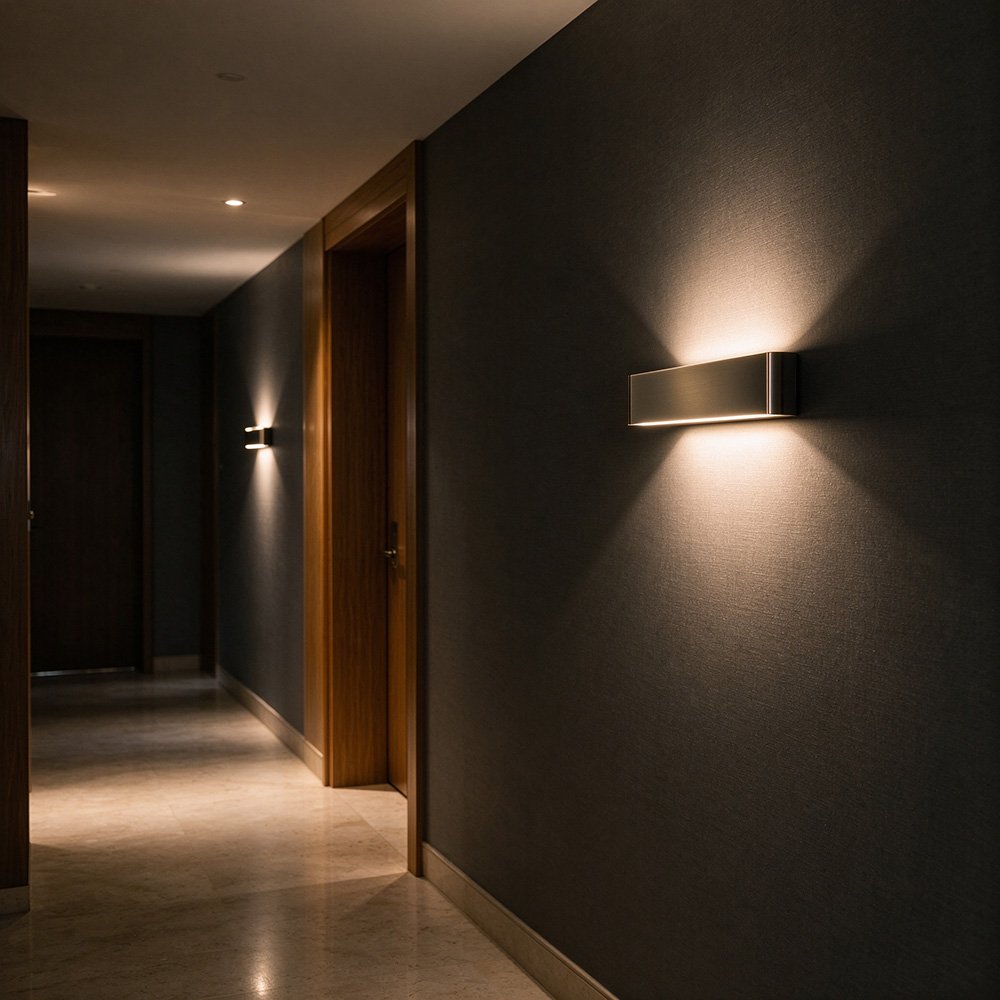
- Up-and-Down Wall Lights:Direct light toward both the ceiling and floor, creating decorative lighting effects.
- Modern LED Wall Sconces:Feature clean lines and minimalist shapes for contemporary interiors.
- Rechargeable Wall Lights:Provide wireless installation and greater flexibility.
- LED Reading Wall Lights:Offer focused illumination for bedside reading and other close-range activities.
- Decorative Wall Lights:Combine lighting with distinctive shapes and materials to enhance interior design.
This design flexibility makes LED wall lights suitable for bedrooms, living rooms, hallways, staircases, hotels, and outdoor building facades.
4. Flexible Lighting Effects
Another advantage is the ability to create different lighting effects according to the fixture design.
Some LED wall lights provide direct illumination, while others use indirect lighting to create softer ambient effects.
For example, up-and-down wall lights can highlight architectural surfaces, while adjustable reading lights provide focused illumination near a bed or sofa.
Certain models also support dimming, adjustable color temperature, remote control, or smart home integration, giving users more control over their lighting environment.
5. Low Heat Generation
LED wall lights generally produce less heat than traditional incandescent lamps because they convert more energy into light rather than heat.
This can improve comfort in small rooms and reduce the amount of heat released by lighting fixtures.
Nevertheless, LED products still generate heat at the LED junction and require suitable heat dissipation. High-quality housing materials and thermal designs are important for maintaining performance and reliability.
6. Environmentally Friendly Operation
LED wall lights can contribute to more sustainable lighting practices through lower energy consumption and longer replacement intervals.
They also do not contain mercury, which is commonly associated with fluorescent lamps.
Choosing energy-efficient LED lighting can help reduce electricity demand and the environmental impact associated with frequent lamp replacement.
However, electronic drivers, circuit boards, and batteries in rechargeable models still require appropriate recycling and disposal.

Disadvantages of LED Wall Lights
Although LED wall lights offer many benefits, there are several limitations worth considering before purchasing.
1. Higher Initial Purchase Cost
Some LED wall lights have a higher upfront price than basic traditional wall fixtures.
This is particularly true for products featuring premium materials, integrated LED modules, rechargeable batteries, smart controls, or specialized optical designs.
Although lower electricity consumption and longer service life may offset the initial cost over time, budget-conscious buyers may find the purchase price a disadvantage.
2. Repair and Replacement Can Be Difficult
Many modern LED wall lights use integrated LED modules rather than replaceable traditional bulbs.
If the LED module or built-in driver fails, replacing the individual component may not be straightforward. In some cases, the entire fixture needs to be replaced.
This can increase long-term maintenance costs, especially for products with non-standard components.
When purchasing an LED wall light, it is worth checking whether the LED module and driver can be serviced or replaced separately.
3. Installation May Require Electrical Work
Hardwired LED wall lights usually require suitable wiring and mounting points.
If your home does not already have an electrical connection in the desired location, installing a new wall light may involve drilling, cable routing, and professional electrical work.
This adds installation time and cost.
Rechargeable and battery-powered LED wall lights can reduce this problem because many models use adhesive or magnetic mounting systems instead of permanent wiring. However, they still require periodic charging or battery replacement.
4. Lighting Coverage May Be Limited
Unlike ceiling lights that can illuminate a relatively large area, most LED wall lights are designed to provide localized or directional illumination.
A single wall light may not be sufficient to illuminate an entire room, particularly if the room is large or the fixture produces a narrow beam.
For this reason, LED wall lights are often used together with ceiling lights, floor lamps, or other lighting fixtures to create a balanced lighting arrangement.
5. Performance Depends on Product Quality
Not all LED wall lights provide the same lighting quality.
Low-quality products may suffer from poor color rendering, inconsistent brightness, visible flickering, or inadequate heat dissipation.
These problems can affect visual comfort and product reliability.
When choosing an LED wall light, consider the color rendering index (CRI), color temperature, driver quality, and product certifications rather than comparing price alone.
Are LED Wall Lights Worth Buying?
For most modern residential and commercial applications, LED wall lights are worth considering because they combine energy efficiency, long service life, and flexible design options.
However, the best choice depends on your intended application.
Application | Recommended LED Wall Light | Key Consideration |
Bedroom | Rechargeable or reading wall light | Comfortable brightness and adjustable direction |
Living Room | Decorative or ambient wall light | Design and lighting atmosphere |
Hallway | Up-and-down wall light | Balanced illumination |
Staircase | Motion sensor wall light | Automatic activation and visibility |
Outdoor Wall | Weather-resistant LED wall light | Suitable IP protection rating |
Hotel | Dimmable decorative wall light | Appearance and lighting control |
For outdoor installations, always check the product’s IP rating and manufacturer’s instructions to ensure it is suitable for exposure to rain, dust, and other environmental conditions.
Conclusion
LED wall lights offer several important advantages, including energy efficiency, long service life, diverse designs, and flexible lighting effects. They can improve both the functionality and appearance of residential and commercial spaces.
On the other hand, higher initial costs, potential repair difficulties, installation requirements, and limited lighting coverage are factors that should not be overlooked.
Overall, LED wall lights are a practical lighting choice when selected according to the room layout, lighting requirements, installation conditions, and product quality. By comparing these advantages and disadvantages, you can make a more informed decision and choose an LED wall light that meets your needs.