
An LED night light is a small but useful lighting fixture that can make everyday life more comfortable and convenient. Whether you need gentle illumination for a bedroom, a safe pathway for nighttime movement, or practical lighting for a hallway, bathroom, or children’s room, choosing the right night light can improve both visibility and comfort.
However, not all LED night lights are designed for the same purpose. Some models plug directly into wall outlets, while others operate on batteries or rechargeable power. Some provide continuous low-level illumination, whereas others turn on automatically when motion is detected. Brightness, color temperature, sensor performance, and installation methods can also vary significantly.
So, how do you choose the best LED night light for your home? This guide covers the most important factors to consider before making a purchase.
Understand Different Types of LED Night Lights
Before comparing technical specifications, it is important to understand the main types of LED night lights available on the market. Different designs are suitable for different rooms and lighting requirements.
Plug-In LED Night Lights
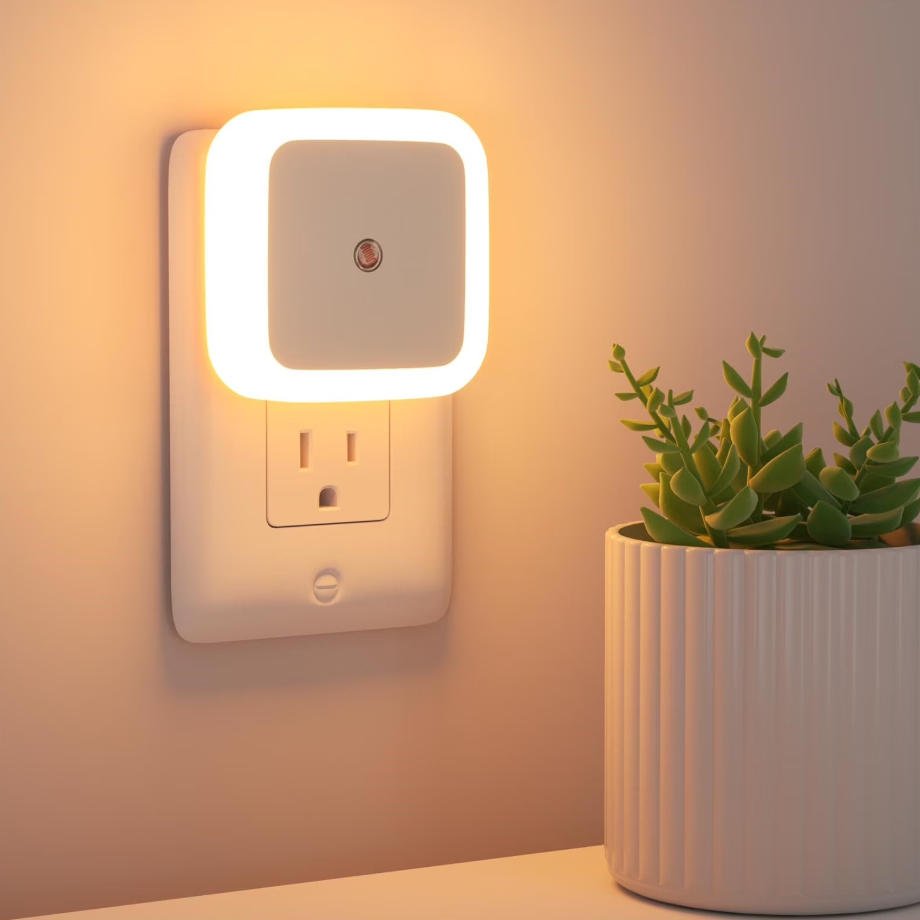
Plug-in LED night lights connect directly to a wall outlet and provide continuous illumination without requiring battery replacement or recharging.
They are particularly suitable for bedrooms, hallways, bathrooms, and children’s rooms where regular nighttime lighting is needed. Many modern models feature compact designs that do not block adjacent electrical outlets.
Some plug-in night lights also include built-in light sensors, allowing them to turn on automatically when the surrounding environment becomes dark.
Motion Sensor LED Night Lights
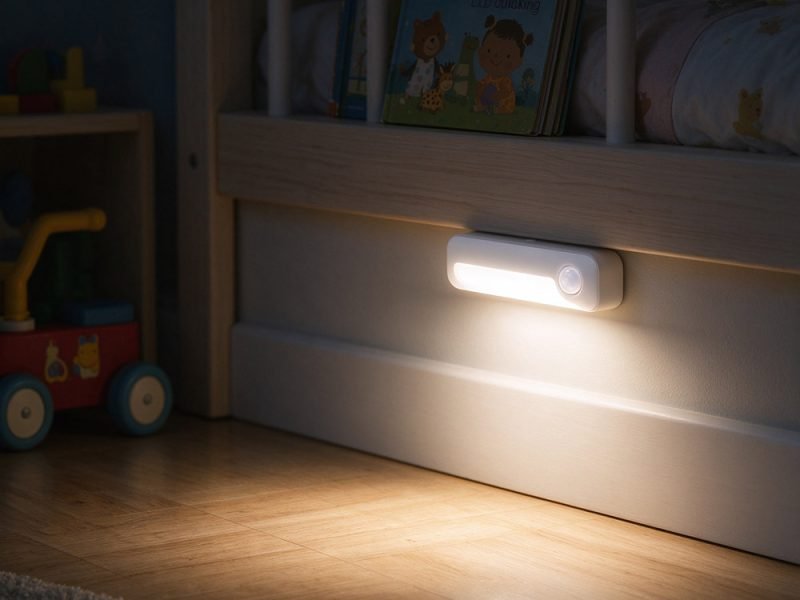
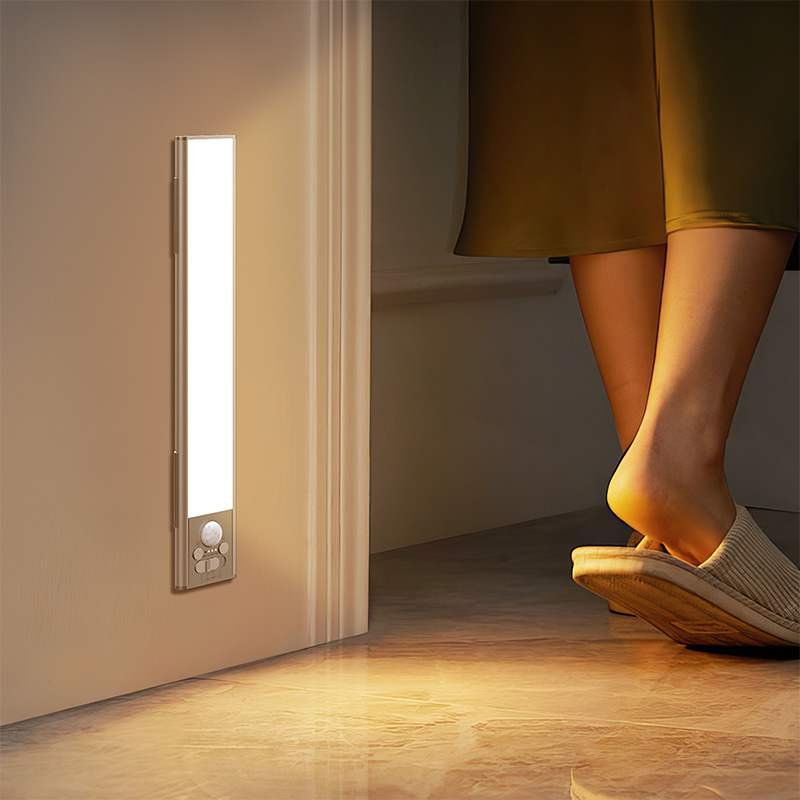
Motion sensor LED night lights activate automatically when movement is detected within a certain sensing range. They are useful for areas where lighting is only needed occasionally, such as hallways, staircases, closets, and bathrooms.
Most models use PIR (Passive Infrared) sensors to detect changes in infrared radiation caused by moving people or objects.
A key advantage is that the light does not need to remain on continuously. It activates when someone approaches and switches off after a preset period without movement, helping reduce unnecessary energy consumption.
Rechargeable LED Night Lights
Rechargeable LED night lights use built-in batteries that can be recharged through USB or USB-C connections.
Unlike plug-in models, rechargeable lights can be placed in locations without convenient electrical outlets. Some products also feature magnetic mounting plates, adhesive strips, or portable designs that make repositioning easier.
They are suitable for bedrooms, wardrobes, bedside areas, and temporary lighting applications.
Battery-Powered LED Night Lights
Battery-powered night lights operate using replaceable batteries, making them flexible and easy to install.
They are particularly useful in rental properties, storage rooms, cabinets, and other locations where permanent wiring is inconvenient.
However, users should consider battery replacement frequency and long-term operating costs when choosing this type of lighting.
Choose the Right Brightness
Brightness is one of the most important factors when selecting an LED night light.
Unlike general room lighting, a night light is usually intended to provide gentle illumination rather than fully light up an entire space. Excessive brightness may disturb sleep, while insufficient illumination may make it difficult to see obstacles.
LED night light brightness is commonly measured in lumens (lm).
Here is a general reference for different applications:
Application | Suggested Brightness |
Bedroom ambient night light | 1–5 lumens |
Children’s bedroom | 2–10 lumens |
Hallway and staircase | 5–20 lumens |
Bathroom | 5–20 lumens |
Closet and storage areas | 10–30 lumens |
These are general starting points rather than strict requirements. The ideal brightness depends on room size, fixture placement, wall color, and personal preference.
For bedrooms, a low-brightness LED night light is generally preferable because it provides enough visibility without producing excessive light.
For hallways and staircases, slightly higher brightness may be necessary to help people identify steps, furniture, and other potential obstacles.
Tip: Consider choosing an LED night light with adjustable brightness. This allows you to customize the illumination according to different environments and nighttime activities.
Select a Comfortable Color Temperature
Color temperature affects how an LED night light looks and how comfortable it feels at night.
It is measured in Kelvin (K), with lower values producing warmer light and higher values producing cooler light.
The most common color temperature options include:
- Warm White (2700K–3000K):Produces a soft, yellowish glow. It is suitable for bedrooms, bedside areas, and relaxing environments.
- Neutral White (3500K–4000K):Provides a more balanced appearance and works well in hallways, bathrooms, and general indoor spaces.
- Cool White (5000K–6500K):Produces a brighter, bluish-white appearance. It may be useful where clearer visibility is required, although it is generally less suitable for a relaxing nighttime atmosphere.
For most bedroom applications, warm white is a good choice. Its softer appearance creates a comfortable atmosphere without making the room feel excessively bright.
If you need an LED night light for a bathroom or hallway, neutral white may provide a better balance between visibility and visual comfort.
Some advanced models offer adjustable color temperatures, allowing users to switch between different lighting tones.
Consider Motion Sensors and Automatic Light Sensors
Automatic sensing is one of the most useful features of modern LED night lights.
However, it is important to understand the difference between a motion sensor and a light sensor because they serve different purposes.
Motion Sensors
Motion sensors detect movement and activate the light automatically.
PIR sensors are commonly used in residential night lights because they can detect changes in infrared radiation from people moving within the detection area.
When choosing a motion sensor LED night light, consider:
- Detection Range:How far away can the sensor detect movement?
- Detection Angle:Does it cover the expected walking direction?
- Response Time:Does the light activate quickly when movement is detected?
- Auto-Off Timer:How long does the light remain on after movement stops?
- Sensor Mode:Can the sensor operate only in darkness?
For example, a motion sensor night light installed near a staircase should have a detection area that covers the approach to the steps.
Ambient Light Sensors
Ambient light sensors detect the surrounding brightness rather than movement.
A night light with a dusk-to-dawn sensor can automatically turn on when the environment becomes dark and switch off when sufficient daylight returns.
This is especially convenient for plug-in night lights that are intended to provide continuous low-level illumination throughout the night.
Some products combine both motion and ambient light sensors. This means the light activates only when movement is detected and the surrounding environment is sufficiently dark.
Such a combination can improve convenience while helping conserve energy.
Choose the Right Power Supply
The power source affects installation flexibility, maintenance, and operating costs.
Before purchasing an LED night light, consider where it will be installed and whether a nearby electrical outlet is available.
Power Type | Advantages | Considerations |
Plug-in | Continuous power, no battery charging | Requires an electrical outlet |
Rechargeable | Portable and flexible installation | Requires periodic charging |
Replaceable battery | Easy installation without wiring | Batteries need replacement |
Hardwired | Permanent and reliable power supply | Requires electrical installation |
For frequently used locations, plug-in night lights are often convenient because they do not require regular charging.
Rechargeable models are better suited to areas where flexibility and portability are important.
Battery-powered products can also be useful for temporary installations or locations without accessible electrical outlets.
The best choice depends on how frequently the light will be used and how much maintenance you are willing to accept.
Pay Attention to Installation Methods and Placement
Even a high-quality LED night light may not work effectively if it is installed in the wrong position.
The installation method should match the room layout and intended application.
Wall-Mounted Installation
Wall-mounted night lights are suitable for hallways, bedrooms, staircases, and bathrooms.
They can provide consistent illumination along walking paths without occupying floor or table space.
Plug-In Installation
Plug-in models are easy to install because they simply connect to an existing electrical outlet.
They are particularly convenient for bedrooms and hallways, although the outlet location may limit positioning.
Adhesive and Magnetic Installation
Some rechargeable LED night lights feature adhesive mounting plates or magnetic brackets.
These designs allow users to install the light without drilling holes. Magnetic models can also be removed easily for charging or repositioning.
They are suitable for wardrobes, cabinets, bedside areas, and other locations where flexible installation is preferred.
Portable Installation
Portable night lights can be placed on bedside tables, shelves, or other flat surfaces.
They are useful when users want to move the light between different rooms.
When planning installation, avoid placing motion sensors behind furniture, curtains, or other obstacles that may interfere with detection.
Consider Safety and Energy Efficiency
Safety should always be a priority when choosing an LED night light, particularly for children’s bedrooms, bathrooms, and frequently used walking areas.
Here are several important considerations:
Low Heat Generation
LED technology generally produces less heat than traditional incandescent lighting. However, product quality and electrical design still matter. Choose products with reliable thermal management and appropriate electrical protection.
Electrical Safety Certifications
For plug-in and rechargeable products, check whether the product complies with relevant electrical safety requirements in the intended market. Depending on the country, certifications or conformity marks may include UL, ETL, or CE. These marks have different scopes and should be checked against the actual product and applicable regulations.
Appropriate Protection for Moist Environments
If you plan to install a night light in a bathroom, check its IP rating and the manufacturer’s installation instructions.
Not every LED night light is designed for damp or wet environments. A product intended for a dry bedroom should not automatically be considered suitable for installation near a shower or bathtub.
Energy Efficiency
LED night lights typically consume relatively little electricity. Motion sensors, ambient light sensors, and automatic shutoff functions can further reduce unnecessary operating time.
For battery-powered products, efficient LEDs and well-designed sensor systems can also help extend battery life.
Match the LED Night Light to the Room
Different rooms have different lighting requirements. Instead of choosing one type of night light for the entire home, consider the specific needs of each space.
Room | Recommended Night Light | Important Features |
Bedroom | Plug-in or rechargeable | Warm white, low brightness, dimming |
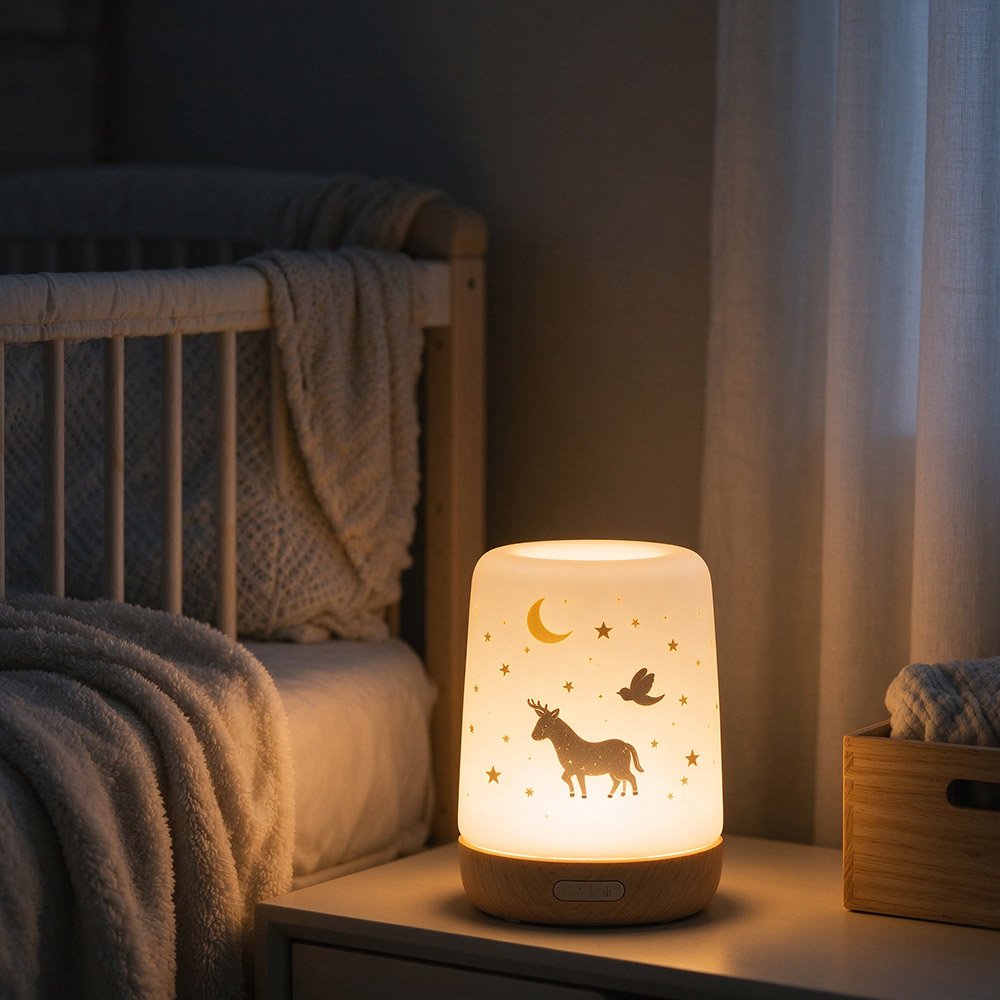
Children’s Room | Plug-in or soft ambient light | Gentle illumination, low heat |
Hallway | Motion sensor night light | Wide detection angle, automatic shutoff |
Staircase | Motion sensor wall light | Reliable detection, sufficient brightness |
Bathroom | Plug-in or motion sensor | Suitable moisture protection |
Closet | Rechargeable motion sensor light | Compact design, magnetic installation |
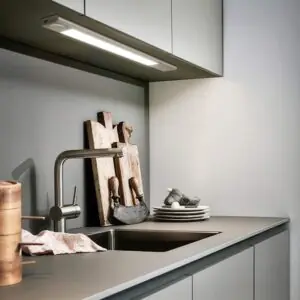
Kitchen | Low-profile motion sensor light | Hands-free operation, practical brightness |
For bedrooms, comfort and low brightness should be the main priorities.
For hallways and staircases, automatic activation and reliable detection are more important because the light helps people move safely at night.
For closets and cabinets, rechargeable motion sensor lights offer a convenient way to illuminate enclosed spaces without installing additional wiring.
Look for Additional Features That Improve Convenience
Beyond the basic lighting functions, some additional features can make an LED night light more practical.
- Dimmable Lighting:Allows users to adjust brightness for different nighttime activities.
- Multiple Lighting Modes:Provides flexibility between automatic sensing and continuous illumination.
- Adjustable Color Temperature:Makes it easier to create different lighting atmospheres.
- USB-C Charging:Offers convenient charging for compatible rechargeable models.
- Compact Design:Helps the light fit into small spaces without interfering with surrounding furniture.
- Memory Function:Some models remember the previous brightness or color settings.
- Remote or Touch Control:Makes manual operation easier for certain applications.
Not every product needs all these features. The most useful option is one that matches your daily habits without adding unnecessary complexity.
Final Checklist Before Buying an LED Night Light
Before purchasing, review the following checklist to make sure the product meets your requirements:
- Is the brightness suitable for the intended room?
- Does the color temperature create a comfortable nighttime atmosphere?
- Do you need continuous illumination or automatic motion activation?
- Is the power supply suitable for the installation location?
- Does the sensor provide sufficient detection range and coverage?
- Is the installation method convenient?
- Is the product suitable for the intended indoor or outdoor environment?
- Does it have the necessary safety certifications for your market?
- Are replacement batteries or charging accessories easy to obtain?
- Does the product offer good value over its expected service life?
Taking time to compare these factors can help you avoid choosing a night light that is too bright, inconvenient to install, or unsuitable for its intended application.
Conclusion
Choosing the best LED night light is not simply about finding the brightest or cheapest product. It is about matching the lighting performance, power supply, sensor functions, installation method, and safety features to your actual needs.
For bedrooms, a warm white night light with low brightness is generally a comfortable choice. For hallways and staircases, motion sensor models provide convenient automatic illumination. For closets and cabinets, rechargeable wireless night lights offer greater installation flexibility.
By understanding these differences and evaluating the key features before purchasing, you can find an LED night light that provides comfortable, practical, and energy-efficient illumination throughout your home.