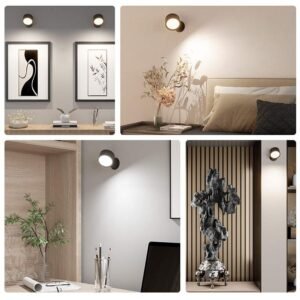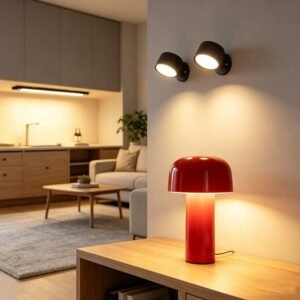

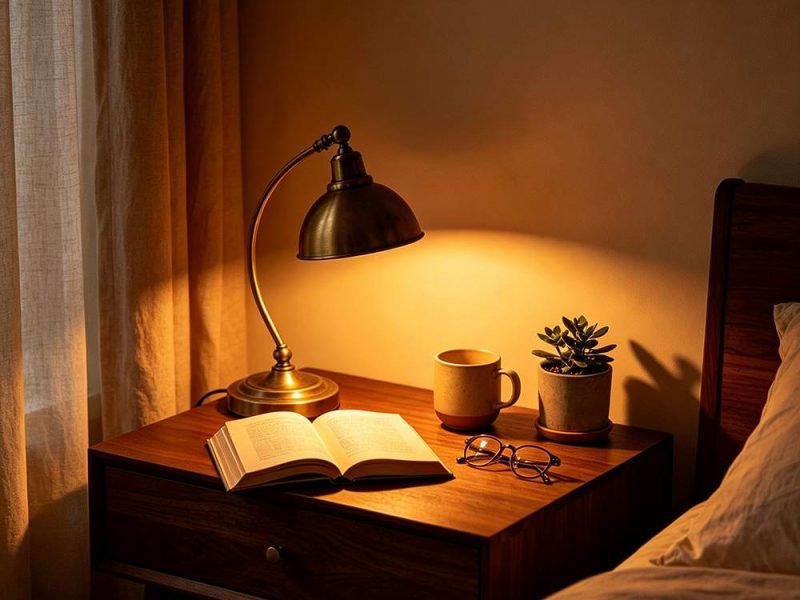
Choosing a table lamp sounds easy—until you actually start shopping.
Then suddenly you have to think about height, shade size, brightness, color temperature, style, materials, placement, and whether the lamp is supposed to help you read a book or simply make the room look better.
And that is exactly why buying a table lamp shouldn’t start with “Which one looks nice?”
A better question is:
What do I want this lamp to do, where will I put it, and what kind of atmosphere do I want it to create?
A good table lamp should balance function, proportion, lighting quality, and design. For modern homes and offices, an LED table lamp can offer even more flexibility through dimming, adjustable color temperature, rechargeable batteries, touch controls, and other features.
This guide will walk through the most important factors so you can choose a lamp that actually fits your space—not one that looks perfect online but somehow feels like a giant mushroom sitting on your nightstand.
A Quick Video Share
Before we dive into how to choose the right table lamp, let’s first take a look at a helpful video from Lamp Plus on choosing a table lamp. It provides a quick overview of the key factors to consider when shopping for a table lamp. We’ll then take a deeper, more comprehensive look at these factors from multiple perspectives throughout this article, helping you make a more informed decision when choosing the perfect table lamp for your space.
Video link: https://www.youtube.com/watch?v=pOsJCHi7mj4
1. Start With the Purpose of the Table Lamp
Before choosing a style, determine what the lamp is actually supposed to do.
A table lamp used beside a sofa has a very different job from one sitting on a desk.
A living room lamp may mainly provide ambient or accent lighting, helping create a warm and comfortable atmosphere. A bedside lamp may need to provide enough light for reading while remaining comfortable when you’re lying down. A desk lamp, meanwhile, needs more focused and functional illumination.
Think about your intended use first:
Application | Main Lighting Requirement | Suitable Lamp Type |
Bedroom | Soft, comfortable light | Warm LED table lamp |
Living room | Ambient + decorative lighting | Sculptural/decorative lamp |
Home office | Focused task lighting | Adjustable LED table lamp |
Study area | Comfortable reading light | Dimmable task lamp |
Dining table | Portable atmospheric lighting | Cordless LED lamp |
Hotel/restaurant | Flexible accent lighting | Rechargeable table lamp |
Entryway | Decorative illumination | Statement table lamp |
This distinction is important because more light isn’t automatically better.
A lamp that is excellent for reading could be far too bright for a bedside table where you’re trying to relax.
2. Choose the Right Lamp Height
One of the most common mistakes when buying a table lamp is ignoring height.
A lamp can be beautiful, expensive, and well designed—and still look completely wrong if its proportions don’t match the furniture.
Interior design guides commonly recommend considering the height of the furniture and the user’s eye level when selecting a lamp. For example, when sitting beside a lamp, keeping the bottom of the shade around eye level can help prevent the light source from shining directly into your eyes.
For a bedside table, the calculation is slightly different because you are usually lower than when sitting on a sofa.
A useful approach is to sit or lie in the position where you’ll actually use the lamp and imagine where the shade will sit relative to your eyes.
The goal is simple:
You should see the light, not stare directly into the light source.
A practical height guideline
For many living-room and bedroom applications, a table lamp around 24–28 inches tall can work well, although the ideal size depends heavily on the furniture and room proportions.
Don’t treat this as a rigid rule.
A large console table can comfortably support a larger lamp, while a small side table may need something much more compact.
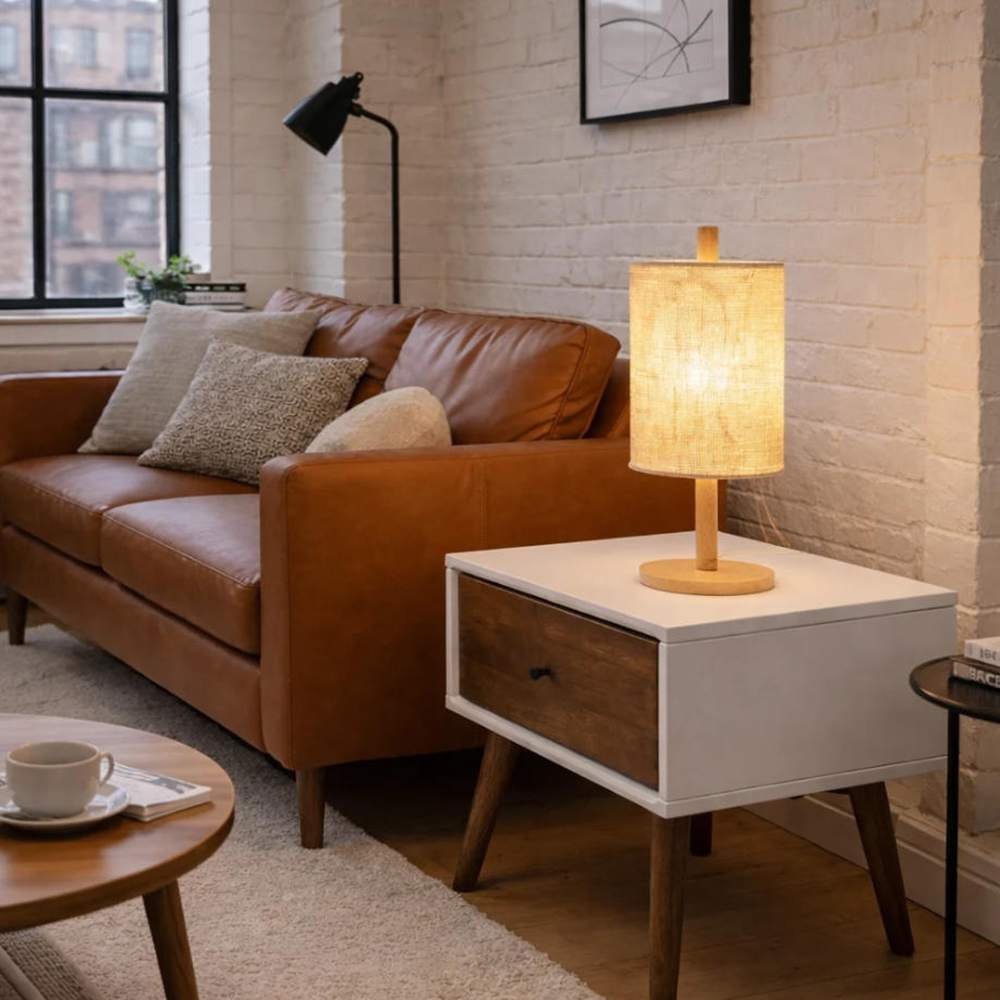
3. Pay Attention to the Table-to-Lamp Proportion
This is where many otherwise attractive lamps go wrong.
Imagine putting a tiny lamp on a huge sideboard. It may look lost.
Now imagine putting a massive lamp on a small bedside table. It may look as if the table has been assigned a lighting fixture against its will.
The relationship between the lamp and the furniture matters.
A commonly used interior-design guideline is that the lamp should be proportionate to the surface beneath it, with larger furniture generally supporting larger lamps. The lampshade should also avoid extending excessively beyond the table, both for appearance and stability.
Before buying, measure:
- Table width
- Table depth
- Table height
- Available space around the lamp
- Lamp height
- Lamp base diameter
- Shade diameter
This takes about two minutes and can save you from returning a lamp that looked “perfect” on the product page.
4. Choose the Right Lampshade Size and Shape
If your table lamp has a conventional shade, don’t overlook it.
The shade affects not only appearance but also how the light spreads.
A useful design guideline is that the shade should generally be around one-third of the overall lamp height, while its width can be approximately twice the diameter of the base, depending on the lamp’s design.
Again, these are guidelines rather than laws.
Modern table lamps come in many forms, including drum, cylinder, dome, conical, oval, rectangular, and sculptural shades. Flos similarly notes that contemporary table lamps can move far beyond the traditional base-and-shade structure, including portable and sculptural interpretations.
The key is visual balance.
A large base usually needs a shade with enough visual weight to match it. A thin minimalist base may look better with a lighter, narrower shade.
5. Think About the Lighting You Actually Need
Now we get to the part that matters more than decoration: light quality.
When choosing an LED table lamp, don’t look only at wattage.
LED lighting is better evaluated using factors such as:
- Lumens
- Color temperature
- Dimming capability
- Beam distribution
- Glare
- Color rendering
- Light diffusion
Lumens tell you how much light the lamp produces
A higher lumen output generally means more visible light, but the ideal amount depends on the application.
A decorative bedside lamp doesn’t need the same output as a desk lamp used for detailed work.
Color temperature affects the atmosphere
Warm light around 2700K–3000K is generally comfortable for bedrooms and living spaces.
Neutral white around 3500K–4000K can be more appropriate for workspaces and reading areas where you want a clearer, more alert visual environment.
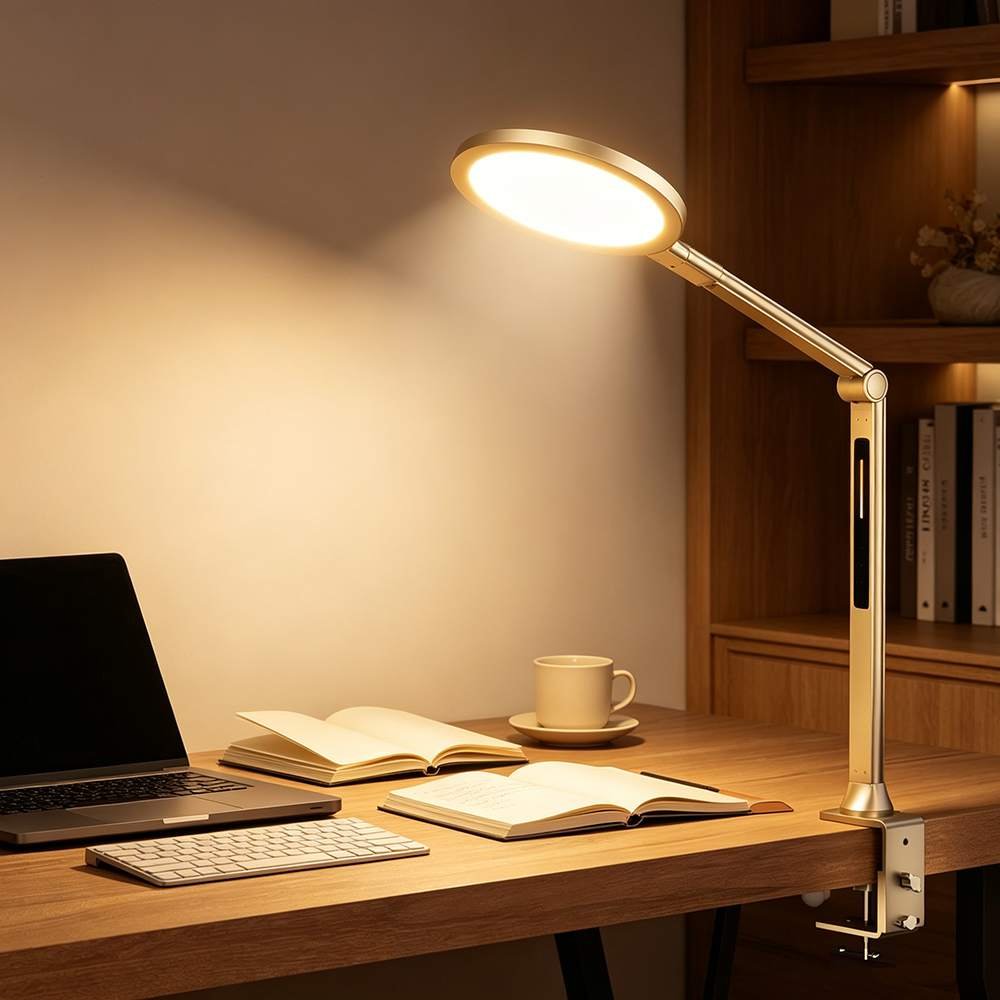
For a multifunctional lamp, adjustable color temperature is particularly useful.
You can use a warmer setting in the evening and a more neutral setting while working.
6. Why an LED Table Lamp Can Be a Better Choice
If you’re buying a new lamp today, an LED table lamp is often worth considering.
The biggest advantage is not simply energy efficiency.
LED technology gives manufacturers much more freedom to control the size, shape, and behavior of the light source.
A modern LED table lamp can incorporate features such as dimming, adjustable color temperature, touch control, memory settings, USB charging, motion sensors, and rechargeable batteries.
Flos also highlights LED as a preferred choice for table-lamp applications and emphasizes the importance of factors such as color temperature and lumens when selecting the light source.
The result is a lamp that can potentially perform several jobs rather than doing only one.
7. Consider Dimmable Lighting
If you’re unsure about brightness, choosing a dimmable table lamp is one of the safest decisions.
Why?
Because your lighting requirements change throughout the day.
You may want:
High brightness → reading or working
Medium brightness → conversation or general use
Low brightness → relaxing or watching TV
A fixed-output lamp forces you to accept whatever brightness the manufacturer chose.
A dimmable LED lamp gives you control.
For bedrooms and living rooms in particular, dimming can make a surprisingly large difference to the atmosphere.
8. Choose the Right Color Temperature
Color temperature is often overlooked when buying decorative lighting.
But imagine two identical table lamps:
One produces a warm golden glow.
The other produces a cool bluish-white light.
They may have exactly the same shape, but they can make the room feel completely different.
For bedrooms:
Consider 2700K–3000K for a warm, relaxing atmosphere.
For living rooms:
Around 2700K–3000K is also commonly suitable for comfortable ambient lighting.
For home offices:
A neutral range such as 3500K–4000K may be more suitable for focused tasks.
For multifunctional rooms:
An adjustable-color-temperature LED table lamp is probably the most flexible option.
9. Don't Ignore Glare
Brightness and comfort are not the same thing.
A lamp can produce plenty of light and still be unpleasant to use if the LEDs are directly visible.
This is especially important for desk lamps and reading lamps.
Look for:
- Diffusers
- Frosted covers
- Indirect lighting
- Recessed LED modules
- Adjustable lamp heads
- Shielded light sources
A good diffuser spreads light more evenly and reduces the harsh appearance of individual LED points.
This is particularly important for integrated LED table lamps, where the LEDs may be arranged in a thin line or panel rather than hidden inside a traditional bulb.
10. Select a Style That Matches the Room
Now we can finally talk about appearance.
And yes, this part is fun.
A table lamp should work with the room rather than looking like it was teleported in from another house.
Consider the existing:
- Furniture
- Wall colors
- Materials
- Metal finishes
- Decorative objects
- Architectural style
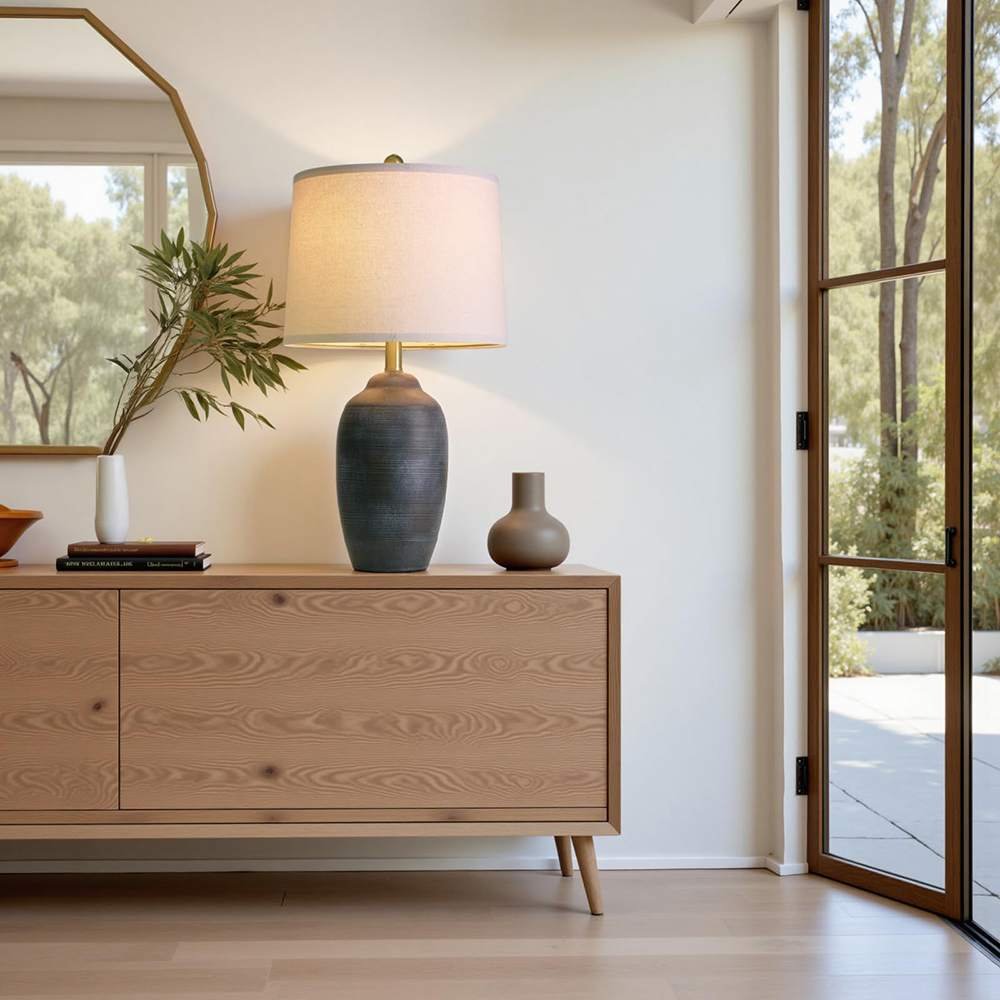
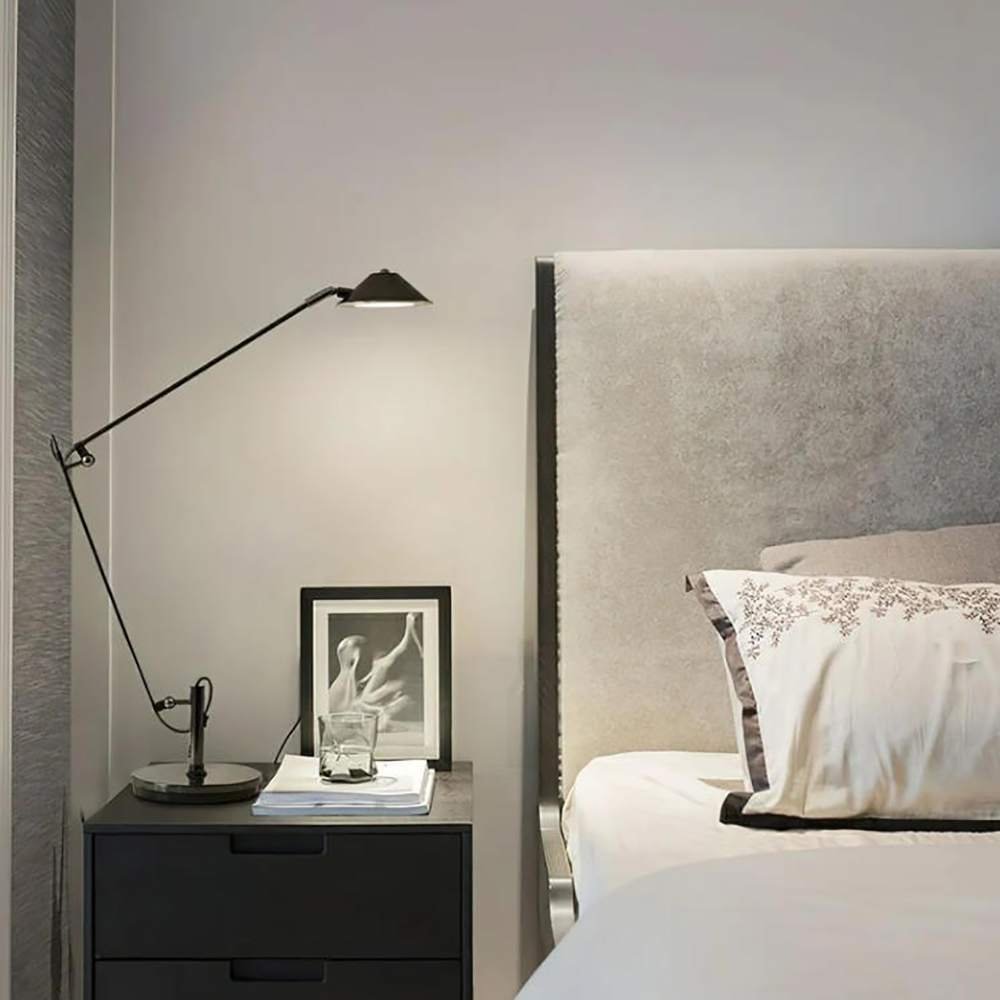
For a minimalist interior, a slim metal LED lamp may work beautifully.
For a traditional room, a ceramic or fabric-shade lamp may feel more natural.
For a contemporary interior, a sculptural or geometric lamp can become a focal point.
Flos points out that modern table lamps can function as both lighting and decorative elements, with materials ranging from metal and polycarbonate to fabric, wood, ceramic, and glass.
In other words, the lamp doesn’t have to disappear.
Sometimes it’s supposed to be noticed.
11. Choose Materials Based on the Environment
Material affects more than appearance.
A ceramic or stone base can give a lamp a substantial, premium feel.
Metal can create a modern or industrial appearance.
Glass can make the product feel lighter and more elegant.
Plastic and polycarbonate can provide manufacturers with more freedom in shape and potentially lighter-weight construction.
For commercial applications, durability becomes especially important.
A restaurant or hotel may need a lamp that can withstand frequent movement and daily handling. In this situation, a beautiful but fragile design may not be the smartest choice.
12. Corded or Rechargeable?
This is one of the most useful questions to ask in 2026.
Traditional corded lamps remain the simplest option for permanent locations.
But rechargeable LED table lamps provide much greater flexibility.
A cordless lamp is particularly useful for:
- Dining tables
- Restaurants
- Hotels
- Outdoor dining
- Balconies
- Temporary events
- Bedside tables
- Areas without convenient outlets
Wireless table lamps have also expanded the possible placement of table lighting by eliminating the need for a nearby power connection.
If portability matters, look at battery capacity, charging method, operating time, charging speed, and whether the battery can be replaced.
13. Consider Smart and Convenient Features
Modern table lamps can do more than simply turn on and off.
Depending on your needs, useful features can include:
- Touch control: convenient for bedside use.
- USB charging: useful when the lamp is on a desk or nightstand.
- Wireless charging: even more convenient if compatible with your devices.
- Memory function: restores your preferred brightness or color temperature.
- Timer: useful for bedrooms and decorative applications.
- Motion sensor: useful for nighttime or automatic lighting.
- Remote control: helpful when the lamp is positioned across the room.
But don’t fall into the “more features = better lamp” trap.
If you will never use a feature, it doesn’t make the product better for you.
14. Think About Where Your Eyes Will Be
This may sound obvious, but it’s one of the most useful checks before buying.
Sit where you normally sit.
Look toward the lamp.
Ask yourself:
– Can I see the LED source directly?
– Is the shade blocking glare?
– Is the light reaching the area I need?
– Is the lamp too tall or too short?
Interior design guides commonly recommend positioning a lamp so that the bottom of the shade is around eye level when seated, helping prevent direct glare while maintaining useful illumination.
This simple test can be more useful than staring at ten product photos online.
15. A Simple Checklist Before You Buy
If you want to make the decision quickly, use this checklist.
For a bedroom table lamp:
– Choose something compact, dimmable, warm, and glare-controlled.
For a home office:
– Prioritize adjustability, sufficient brightness, low glare, and potentially adjustable color temperature.
For a living room:
– Focus more on proportion, materials, design, and comfortable ambient light.
For a restaurant or hotel:
– Consider cordless operation, battery life, durability, dimming, and easy charging.
For a multifunctional home:
– An adjustable LED table lamp with dimming and color-temperature control is likely to give you the greatest flexibility.
Final Thoughts: The Perfect Table Lamp Is the One That Fits Your Life
There is no universally perfect table lamp.
The perfect lamp for a reading corner may be completely wrong for a bedroom. A beautiful sculptural lamp may look fantastic on a console but be terrible for detailed desk work.
That’s why the best way to choose is to work backward from your needs.
Start with where the lamp will go.
Then determine what you want it to do.
After that, consider size, height, shade, brightness, color temperature, glare, materials, controls, and style.
For many modern applications, an LED table lamp provides the greatest flexibility because LED technology makes it possible to combine efficient lighting with dimming, adjustable color temperature, compact designs, rechargeable batteries, and smart controls.
And don’t forget the most basic rule of all:
The lamp should illuminate your space—not annoy you every time you look at it.
If it does that while fitting the furniture and looking good in the room, you’ve probably found the right one.