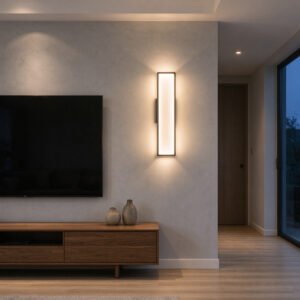

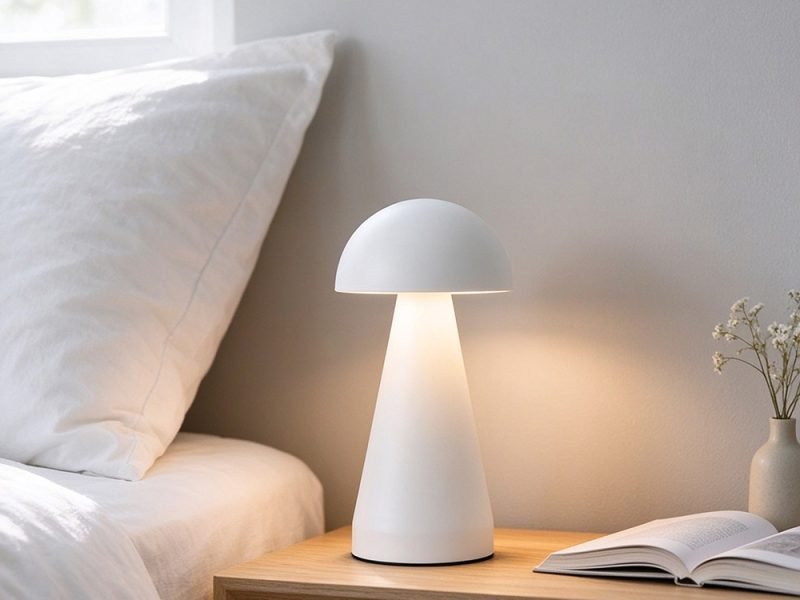
A bedside table lamp is more than just a decorative accessory. It provides convenient lighting for reading, relaxing, and moving around the bedroom at night. The right lamp can also improve the atmosphere of your sleeping space while making everyday activities more comfortable.
With so many styles and features available, choosing a suitable bedside LED table lamp can be challenging. Some lamps focus on minimalist design, while others offer adjustable brightness, touch controls, USB charging ports, or smart lighting functions. However, an attractive appearance alone does not guarantee that a lamp will meet your daily lighting needs.
So, how to choose a bedside LED table lamp that combines practicality, comfort, and style? This guide explains the most important factors to consider before making a purchase.
10 Rules To Consider When Buying a Bedside LED Table Lamp
1. Choose the Right Brightness for Your Bedside Activities
Brightness is one of the first factors to consider when selecting a bedside lamp. A lamp that is too bright may disturb your eyes before sleep, while one that is too dim may not provide enough illumination for reading or other activities.
The ideal brightness depends on how you plan to use the lamp.
For Reading Before Bed
If you regularly read books, magazines, or documents in bed, choose a lamp that provides sufficient light for reading without illuminating the entire bedroom.
A bedside LED table lamp with adjustable brightness is particularly useful. You can increase the light output when reading and lower it when you are ready to relax.
As a general reference:
- 100–200 lumens may be suitable for soft ambient lighting.
- 200–400 lumens can work well for many bedside reading activities.
- Higher output may be useful when the lamp is positioned farther from the reading area.
These are practical starting points rather than strict requirements. The actual brightness you need depends on the lampshade, beam direction, distance from the book, and surrounding light.
For Relaxation and Nighttime Use
If you mainly use your bedside lamp to create a comfortable atmosphere, a lower brightness level is usually preferable.
A dimmable LED lamp allows you to adjust the illumination according to the time of day. Soft lighting is particularly helpful when you want to unwind without turning on the main bedroom lights.
2. Select a Comfortable Color Temperature
Color temperature affects how your bedroom looks and feels. It is measured in Kelvin (K), and different color temperatures create different lighting atmospheres.
For a bedside LED table lamp, warm or neutral-warm light is generally a comfortable choice.
Color Temperature | Lighting Appearance | Recommended Use |
2700K–3000K | Warm, yellowish white | Relaxation and bedtime lighting |
3000K–3500K | Soft warm white | Reading and everyday bedroom use |
4000K | Neutral white | Tasks requiring a clearer appearance |
5000K and above | Cool, daylight-like white | Usually less suitable for a relaxing bedside atmosphere |
For most bedrooms, 2700K–3000K creates a cozy environment that complements the purpose of nighttime lighting.
However, personal preference matters. If you prefer a cleaner and brighter appearance when reading, a lamp with adjustable color temperature can offer greater flexibility.
Some LED table lamps provide multiple color modes, allowing you to switch between warm, neutral, and cool white light. This is a practical feature if you use the same lamp for different activities throughout the day.
3. Consider the Size and Height of the Lamp
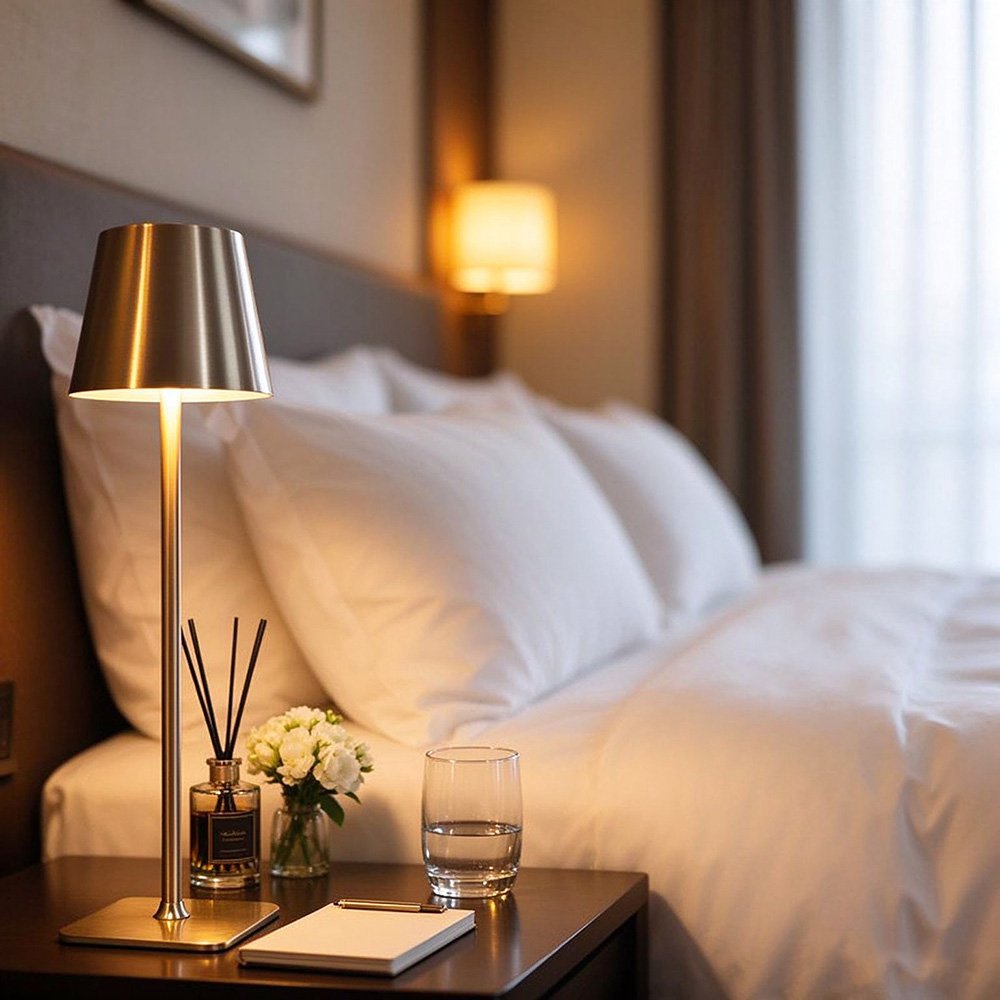
A bedside lamp should be proportionate to your bedside table and bed. Choosing a lamp that is too large can make the nightstand look crowded, while one that is too small may not provide enough light.
Before purchasing, measure the available space on your bedside table and consider the height of your mattress.
Find a Suitable Lamp Height
A useful guideline is to position the bottom of the lampshade approximately at eye level when you are sitting or reclining in bed. This helps reduce direct glare from the light source.
The exact height depends on your bed frame, mattress thickness, nightstand height, and preferred sitting position.
For example:
- Low bedside tables:A taller lamp may help position the light at a comfortable height.
- Standard nightstands:Medium-height table lamps are often a balanced choice.
- Small bedside tables:Compact lamps or slim designs can save valuable surface space.
Check the Lamp Base and Footprint
The lamp base should be stable enough to prevent accidental tipping. At the same time, it should leave enough room for other bedside essentials, such as a phone, alarm clock, books, or glasses.
If your nightstand is particularly small, consider a compact LED lamp with a narrow base or an integrated charging function to reduce clutter.
4. Choose the Right Lampshade and Light Distribution
The lampshade plays an important role in determining how light is distributed throughout the bedroom.
Different lampshade materials and designs produce different lighting effects.
Fabric Lampshades
Fabric shades soften the light and help create a warm, comfortable atmosphere. They are a popular choice for traditional, contemporary, and cozy bedroom interiors.
However, the amount of light passing through the shade depends on its thickness, color, and construction.
Glass Lampshades
Glass shades can create a more decorative appearance. Depending on whether the glass is transparent, frosted, or textured, it can produce different levels of diffusion and visual softness.
Frosted glass is often preferable when you want to reduce the visibility of the LED light source.
Open or Exposed LED Designs
Some modern bedside lamps use exposed LED elements or minimalist optical structures instead of traditional shades.
These designs can look attractive, but it is important to check whether the light source creates uncomfortable glare when viewed from the bed.
A well-designed bedside lamp should provide useful illumination without shining directly into your eyes.
5. Look for Adjustable Brightness and Lighting Modes
A bedside lamp is often used for several purposes, so fixed brightness may not always be convenient.
A dimmable bedside LED table lamp gives you more control over the lighting environment.
For example, you may need:
- Brighter illumination when reading.
- Medium brightness when using your phone or preparing for bed.
- Low brightness when relaxing.
- A very soft setting for nighttime use.
Some lamps offer continuous dimming, while others provide several preset brightness levels.
Continuous dimming allows more precise adjustment, whereas preset modes can be easier to operate.
If you frequently change your lighting requirements, choose a lamp with simple and accessible controls.
6. Pay Attention to the Control Method
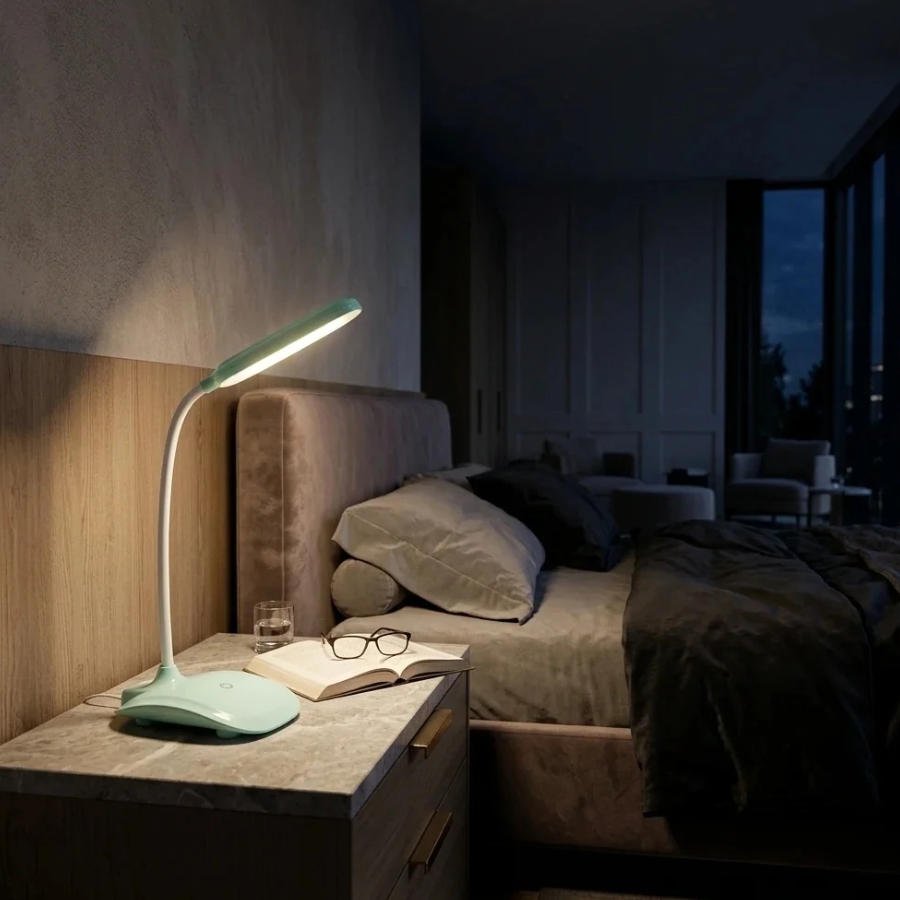
The control method affects how convenient a bedside lamp is to use, especially when you are already lying in bed.
Different products use different switching technologies.
Traditional Push-Button or Rotary Switch
A traditional switch is straightforward and reliable. It is suitable for users who prefer simple operation without additional electronic functions.
However, the switch may be inconvenient if it is positioned near the base of the lamp or behind other objects.
Touch Control
Touch-controlled LED table lamps allow you to turn the light on or off and, depending on the model, adjust brightness by touching the lamp body or a designated control area.
This is especially convenient at night because you do not need to locate a small mechanical switch.
Remote Control
A remote-controlled bedside lamp can be useful when the lamp is positioned across the room or when you want to adjust its settings without getting out of bed.
Some models also support multiple lighting modes and timers.
Smart Control
Smart bedside lamps may support mobile applications, voice assistants, scheduled operation, or integration with other smart home devices.
If you already use smart home lighting, a compatible lamp can make your bedroom lighting more convenient.
Before purchasing, check which smart platforms and connection methods the product actually supports.
7. Consider Power Supply and Charging Functions
Power supply is another important factor when choosing a bedside LED table lamp.
Most products fall into three main categories.
Power Type | Advantages | Considerations |
Plug-in | Continuous power and no battery charging | Requires a nearby electrical outlet |
Rechargeable | Flexible placement and fewer visible cables | Requires periodic charging |
Battery-powered | Portable and easy to reposition | Battery replacement or maintenance may be needed |
Plug-in LED Table Lamps
Plug-in lamps are suitable for bedrooms where the bedside table is close to a power outlet. They are generally convenient for long-term daily use because you do not need to worry about battery capacity.
Rechargeable LED Table Lamps
Rechargeable lamps are ideal when you want a cordless appearance or need to move the lamp between different locations.
They can also be useful in bedrooms where electrical outlets are limited.
When comparing rechargeable models, pay attention to battery capacity, charging time, runtime, and whether the lamp can operate while charging.
Lamps with USB Charging Ports
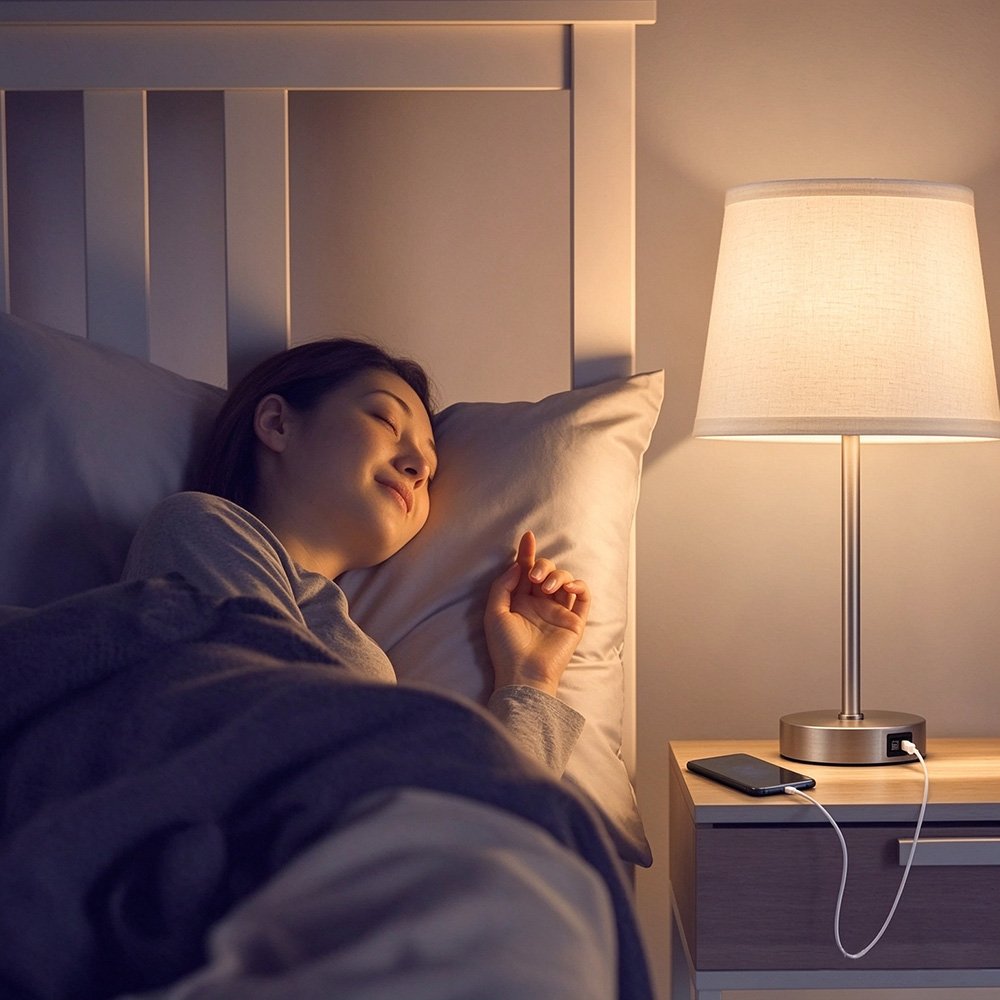
Some bedside lamps include USB-A or USB-C charging ports. These allow you to charge compatible devices directly from the lamp, helping reduce the number of separate chargers on your nightstand.
However, check the charging output and compatibility before relying on this feature for your devices.
8. Choose a Design That Matches Your Bedroom Style
A bedside lamp is both a functional lighting product and an important decorative element.
The right design should complement your bedroom furniture, wall colors, bedding, and overall interior style.
Here are several popular options.
Minimalist LED Table Lamps
Minimalist lamps usually feature clean lines, simple shapes, and neutral colors. They work well in modern bedrooms where visual simplicity is important.
Modern Decorative Lamps
Modern decorative lamps may combine metal, glass, acrylic, or other materials. They can serve as a visual focal point while providing practical bedside lighting.
Scandinavian-Style Lamps
Scandinavian designs often use natural materials, soft colors, and understated shapes. They are suitable for bedrooms with wooden furniture and warm interior tones.
Industrial-Style Lamps
Industrial bedside lamps often feature metal structures, exposed details, and darker finishes. They can complement loft-style or contemporary interiors.
Compact Contemporary Lamps
For smaller bedrooms, compact lamps with integrated LED light sources can provide a clean appearance without taking up too much space.
When choosing a design, consider both appearance and functionality. A beautiful lamp is not necessarily the best option if it is difficult to operate or produces uncomfortable lighting.
9. Check LED Quality, Energy Efficiency, and Lifespan
LED technology offers several advantages over traditional incandescent lighting, including lower energy consumption, reduced heat generation, and longer potential service life.
However, not all LED table lamps offer the same level of performance.
There are several technical specifications worth checking.
Color Rendering Index (CRI)
CRI measures how accurately a light source reveals the colors of objects compared with a reference light source.
For a bedroom table lamp, a CRI of 80 or higher is generally a reasonable starting point. A higher CRI can provide more natural-looking colors, which may be important if you read, work, or perform detailed activities beside your bed.
Flicker Performance
Poorly designed LED drivers may produce visible or invisible light fluctuations that can cause discomfort for some users.
Look for products with reliable driver designs and credible flicker-performance information. Terms such as flicker-free should ideally be supported by testing or technical specifications rather than marketing claims alone.
Heat Management
Although LEDs generate less heat than traditional incandescent bulbs, their electronic components still require appropriate thermal management.
A lamp with a well-designed housing and heat dissipation structure can help maintain stable operation and support long-term performance.
Energy Efficiency
Check the lamp’s power consumption and light output rather than judging efficiency by wattage alone.
Lumens indicate how much light the lamp produces, while watts indicate how much electrical power it consumes. Comparing these specifications can help you understand how efficiently a lamp converts electricity into light.
10. Set a Budget and Compare Overall Value
Bedside LED table lamps are available at different price levels, from basic models to premium smart lighting products.
A higher price does not automatically mean better performance. Instead, compare the features that matter most to your daily use.
When evaluating different products, consider:
- Light output and dimming performance.
- Color temperature options.
- LED and driver quality.
- Material and construction.
- Control convenience.
- Power supply and charging features.
- Warranty and after-sales support.
If you only need a simple lamp for occasional nighttime use, a basic model may be sufficient.
If you read every evening or want more control over your bedroom lighting, investing in a dimmable lamp with adjustable color temperature may provide better long-term value.
Common Mistakes to Avoid When Buying a Bedside LED Table Lamp
Even after considering the main specifications, it is easy to overlook some practical details.
Here are several common mistakes worth avoiding.
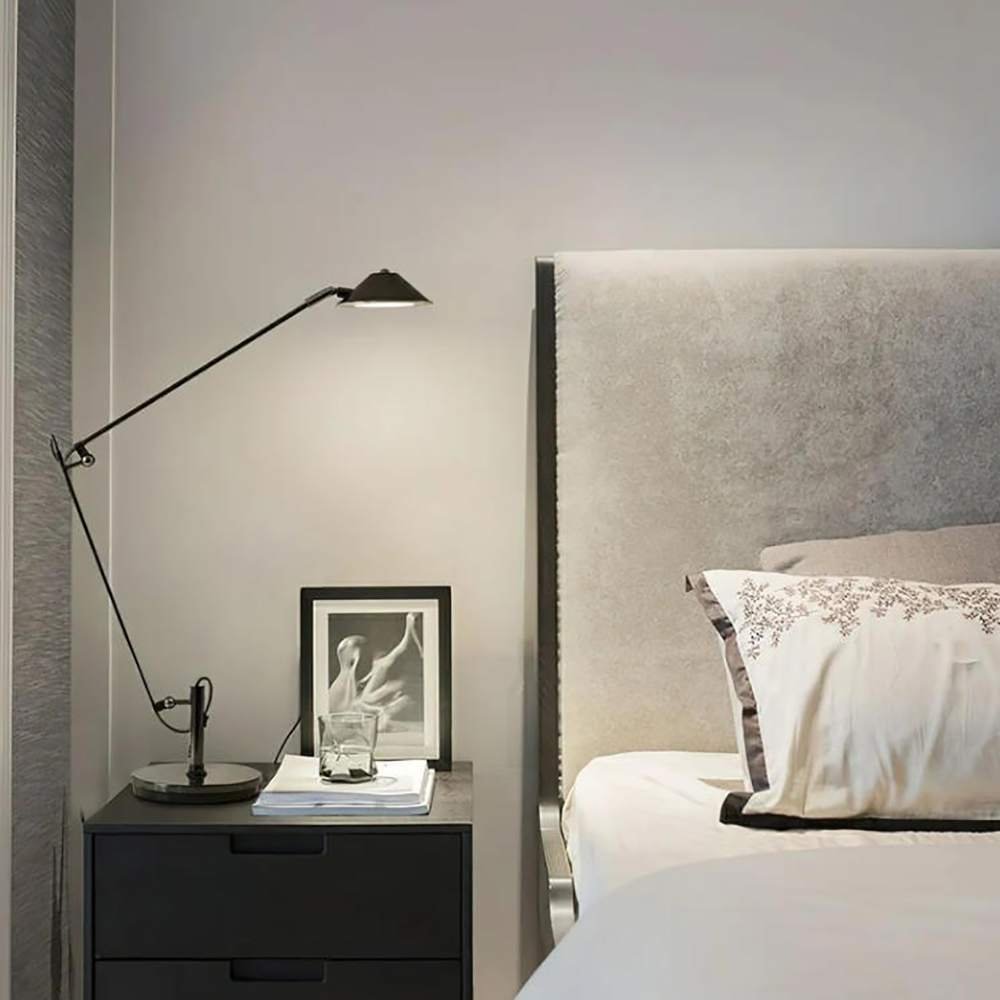
Choosing a lamp based only on appearance: A stylish design may not provide enough light or may create uncomfortable glare. Always consider lighting performance alongside appearance.
Ignoring the height of the lamp: A lamp that is too tall or too short may distribute light poorly. Check its height in relation to your mattress and bedside table.
Buying a lamp with excessive brightness: Very bright lighting may be uncomfortable when used immediately before sleep. Adjustable brightness offers greater flexibility.
Overlooking the power cable: For plug-in lamps, check the cable length and outlet position to avoid awkward installation.
Ignoring the control location: A switch that is difficult to reach can reduce everyday convenience. Consider touch control or remote operation if necessary.
Assuming all rechargeable lamps have the same runtime: Battery performance varies according to capacity, brightness settings, and internal power management. Check the manufacturer’s stated runtime and testing conditions.
Conclusion
Choosing the right bedside LED table lamp involves more than finding a design that matches your bedroom. You should also consider brightness, color temperature, lamp height, light distribution, control methods, power supply, and LED quality.
For most bedrooms, a lamp with warm white light, adjustable brightness, comfortable light distribution, and convenient controls is a practical choice. If you have limited bedside space, a compact rechargeable model or one with integrated charging ports may be worth considering.
Ultimately, the best way to understand how to choose a bedside LED table lamp is to start with your actual nighttime habits. Whether you need focused reading light, soft ambient illumination, or smart lighting convenience, selecting the right combination of features will help create a more comfortable and functional bedroom.