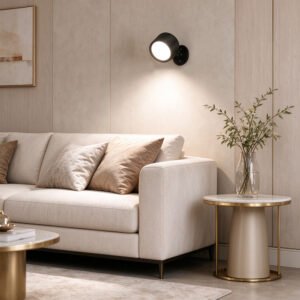

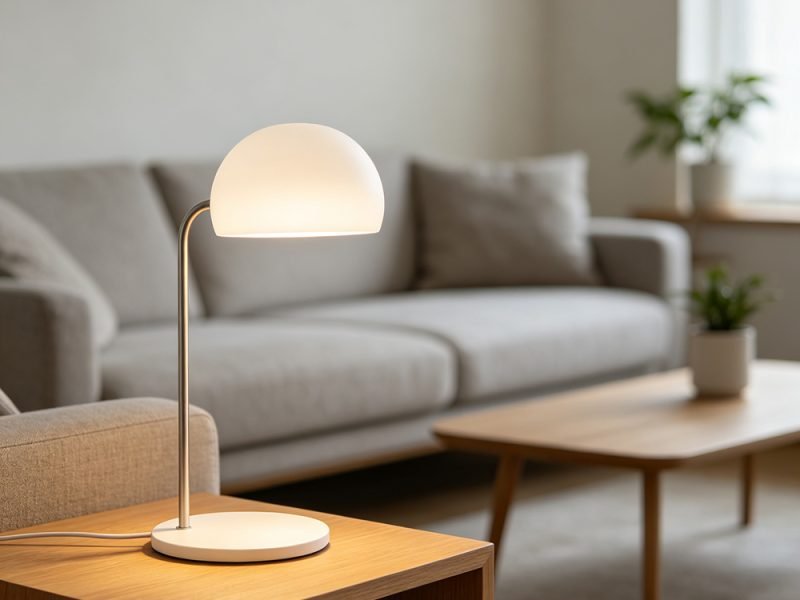
A table lamp is no longer just a practical lighting fixture placed beside a bed or on a desk. In contemporary interiors, it has become an important decorative element that helps define the atmosphere, complement furniture, and express personal style. With advances in LED technology, today’s table lamps offer more than attractive appearances. They combine energy efficiency, adjustable brightness, smart controls, and innovative designs.
If you are planning to update your home lighting, exploring the latest contemporary LED table lamp trends can help you find a fixture that balances style and functionality. From minimalist silhouettes to sculptural forms and smart lighting features, modern LED table lamps are becoming increasingly versatile.
In this article, we explore five contemporary LED table lamp trends worth looking for, along with practical ideas for incorporating them into different living spaces.
Why Are Contemporary LED Table Lamps So Popular?
Contemporary LED table lamps have become popular because they combine modern aesthetics with the practical advantages of LED lighting.
Unlike many traditional lamps that rely on replaceable incandescent or halogen bulbs, LED table lamps typically use energy-efficient LED light sources. This allows manufacturers to create thinner lamp heads, compact structures, and distinctive shapes that would be difficult to achieve with conventional lighting components.
Some common advantages include:
- Energy efficiency:LED technology consumes less electricity than traditional incandescent lighting for comparable light output.
- Long service life:Quality LED modules can provide many hours of operation, reducing the frequency of light-source replacement.
- Flexible lighting:Dimming and color-temperature adjustment allow users to adapt the light to different activities.
- Design flexibility:Compact LED components support minimalist, curved, and sculptural lamp structures.
- Smart functionality:Some models offer touch controls, remote operation, app connectivity, or other intelligent features.
These advantages make contemporary LED table lamps suitable for bedrooms, living rooms, home offices, reading corners, and decorative displays.
5 Contemporary LED Table Lamp Trends to Look For
1. Minimalist and Geometric Designs
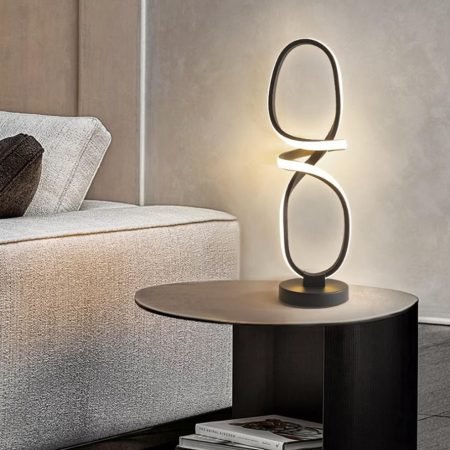
Clean lines, simple structures, and understated details.
Minimalism remains one of the most recognizable trends in contemporary home lighting. Rather than relying on elaborate decorations, minimalist LED table lamps focus on proportion, geometry, and the relationship between light and structure.
Popular designs include slim vertical lamps, circular bases, straight LED light bars, curved arms, and simple geometric frames. Some models use a small base with a narrow illuminated body, creating a visually lightweight appearance.
Neutral finishes such as matte black, white, brushed aluminum, and soft metallic tones are particularly common. These colors make it easier to integrate the lamp into different interior styles without competing with other decorative elements.
Where to use them:
- Bedside tables with limited space.
- Modern home office desks.
- Minimalist living rooms.
- Side tables beside sofas or accent chairs.
When selecting a minimalist lamp, pay attention to its proportions. A lamp that is too large may overwhelm a small side table, while an excessively small model may look out of place next to substantial furniture.
A well-designed contemporary LED table lamp should provide sufficient illumination while maintaining a balanced visual relationship with its surroundings.
2. Sculptural and Artistic Table Lamps
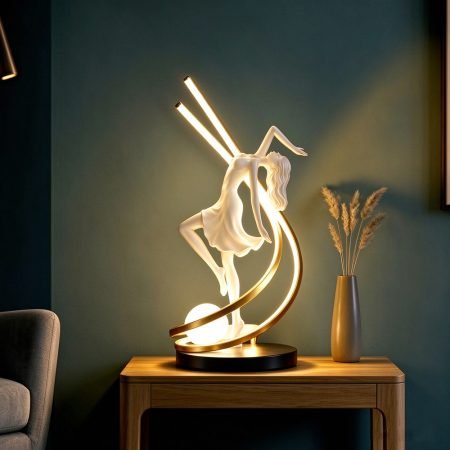
Lighting that functions as both a lamp and a decorative object.
Another growing trend is the use of sculptural forms. Instead of treating the lamp as a simple lighting accessory, designers are creating pieces that resemble small works of art.
Common examples include mushroom-shaped lamps, curved arches, intertwined rings, abstract structures, and asymmetrical forms. Some designs use continuous LED light lines to create a distinctive visual outline.
The appeal of these lamps lies in their ability to add character to a room even when they are switched off. Their shapes can become focal points on a console table, bookshelf, bedside cabinet, or living room side table.
Materials also play an important role in this trend. Metal, glass, acrylic, ceramic, and combinations of different materials can create contrasting textures and visual effects.
Design ideas worth considering:
- A mushroom-shaped LED lamp for a playful and retro-inspired interior.
- A curved ring lamp for a contemporary bedside table.
- An abstract metal lamp for an artistic living room.
- A glass-and-metal combination for a more refined decorative appearance.
However, sculptural design should not come at the expense of lighting performance. Check whether the lamp provides useful ambient or task lighting, rather than producing only decorative illumination.
3. Smart and Multifunctional LED Table Lamps
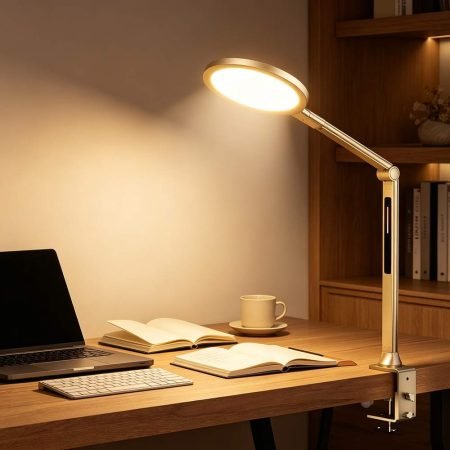
Lighting that functions as both a lamp and a decorative object.
Another growing trend is the use of sculptural forms. Instead of treating the lamp as a simple lighting accessory, designers are creating pieces that resemble small works of art.
Common examples include mushroom-shaped lamps, curved arches, intertwined rings, abstract structures, and asymmetrical forms. Some designs use continuous LED light lines to create a distinctive visual outline.
The appeal of these lamps lies in their ability to add character to a room even when they are switched off. Their shapes can become focal points on a console table, bookshelf, bedside cabinet, or living room side table.
Materials also play an important role in this trend. Metal, glass, acrylic, ceramic, and combinations of different materials can create contrasting textures and visual effects.
Design ideas worth considering:
- A mushroom-shaped LED lamp for a playful and retro-inspired interior.
- A curved ring lamp for a contemporary bedside table.
- An abstract metal lamp for an artistic living room.
- A glass-and-metal combination for a more refined decorative appearance.
However, sculptural design should not come at the expense of lighting performance. Check whether the lamp provides useful ambient or task lighting, rather than producing only decorative illumination.
4. Rechargeable and Cordless Table Lamps
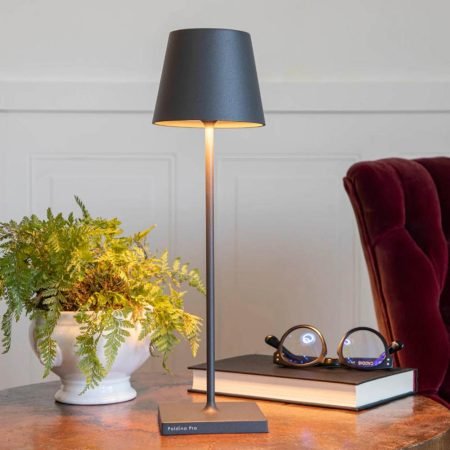
Flexible placement without depending on a nearby power outlet.
Cordless lighting has become increasingly attractive in contemporary interiors. Rechargeable LED table lamps remove the need for a permanently connected power cable, giving users more freedom to position their lamps.
This design is especially useful for dining tables, balconies, bookshelves, coffee tables, and occasional seating areas where electrical outlets may not be conveniently located.
Many rechargeable table lamps use compact lithium-ion batteries and USB charging. Some models feature a built-in touch switch, multiple brightness levels, and several color-temperature settings.
Their portability also makes them suitable for temporary lighting needs. A cordless lamp can be moved from a bedside table to a living room side table or used as supplementary lighting during outdoor gatherings, provided the product is rated for the intended environment.
What should you check before buying?
- Battery capacity:A larger battery may provide longer operating time, although actual performance also depends on brightness.
- Charging method:USB-C charging is a convenient option for many modern devices.
- Runtime:Check the manufacturer’s stated runtime at different brightness levels.
- Charging time:Consider how long the lamp takes to recharge fully.
- Portability:A compact and lightweight structure is easier to move between rooms.
One important consideration is that battery performance can vary significantly between products. A lamp advertised with a long runtime may achieve that figure only at its lowest brightness setting.
For users who value flexible placement and a clean, cable-free appearance, rechargeable LED table lamps are an excellent option.
5. Warm, Ambient, and Adjustable Lighting
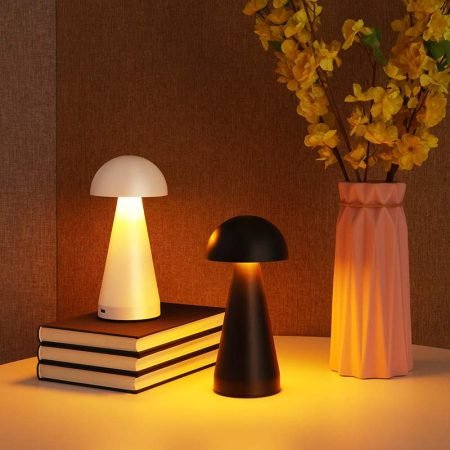
Creating the right atmosphere through light quality.
Contemporary lighting design is not only about the appearance of a fixture. The quality, color, and distribution of light are equally important.
Many modern LED table lamps offer adjustable color temperatures, allowing users to switch between warm, neutral, and cool white light.
Here is a general guide to common color-temperature options:
Color Temperature | Lighting Appearance | Recommended Use |
2700K–3000K | Warm and relaxing | Bedrooms, living rooms |
3500K–4000K | Neutral white | Reading corners, home offices |
5000K–6500K | Cool and crisp | Focused work and detailed tasks |
Warm white lighting is particularly popular in residential interiors because it creates a comfortable atmosphere. It works well on bedside tables, living room side tables, and decorative console tables.
Adjustable brightness is another useful feature. Lower brightness can provide soft ambient lighting in the evening, while a higher setting can support reading or other activities.
It is also worth checking the lamp’s color rendering index (CRI). A CRI of 80 or above is a reasonable starting point for general home lighting, while CRI 90 or above can provide more accurate color appearance.
For a more comfortable lighting experience, look for lamps with diffusers or indirect lighting structures that reduce direct glare.
How to Choose the Right Contemporary LED Table Lamp for Your Home
Although contemporary designs offer plenty of visual choices, the best lamp should match the room, furniture, and intended lighting purpose.
1. Consider the Room and Application
Different spaces require different types of table lamps.
- Bedroom:Choose warm white light, dimming functions, and convenient touch controls.
- Living room:Sculptural designs and decorative finishes can complement the overall interior.
- Home office:Prioritize adjustable brightness, suitable color temperature, and glare control.
- Dining area:Rechargeable cordless lamps provide flexible placement without visible cables.
- Entryway: A distinctive decorative lamp can create a welcoming first impression.
2. Pay Attention to Size and Proportion
A table lamp should fit the furniture it sits on. For example, a compact lamp is usually more suitable for a narrow bedside table, while a larger sculptural model may work better on a spacious console.
Consider the lamp’s height, base diameter, and overall visual weight before purchasing.
3. Check Light Output and Glare Control
A lamp may look attractive but still fail to provide comfortable illumination. Check its lumen output, beam direction, diffuser design, and dimming capabilities.
For reading, the light should be sufficiently bright and positioned to avoid casting unwanted shadows. For decorative purposes, softer illumination may be more appropriate.
4. Choose Materials That Match Your Interior
Metal and aluminum are popular for minimalist and contemporary designs. Glass can create a more elegant appearance, while ceramic and acrylic offer additional opportunities for different textures and shapes.
The finish should complement nearby furniture, wall colors, and other lighting fixtures.
Final Thoughts
The latest contemporary LED table lamp trends show how residential lighting is moving beyond basic functionality. Minimalist structures, artistic shapes, smart controls, rechargeable designs, and adjustable ambient lighting are giving consumers more choices than ever.
When selecting a lamp, consider how it will be used, where it will be placed, and what kind of atmosphere you want to create. A well-designed LED table lamp should not only complement your interior but also provide comfortable and practical illumination.
Whether you prefer a simple geometric lamp, an artistic sculptural design, or a multifunctional smart lighting product, the right contemporary LED table lamp can become both a useful lighting fixture and an attractive part of your home décor.