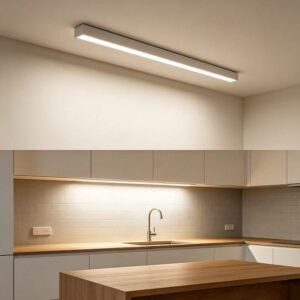

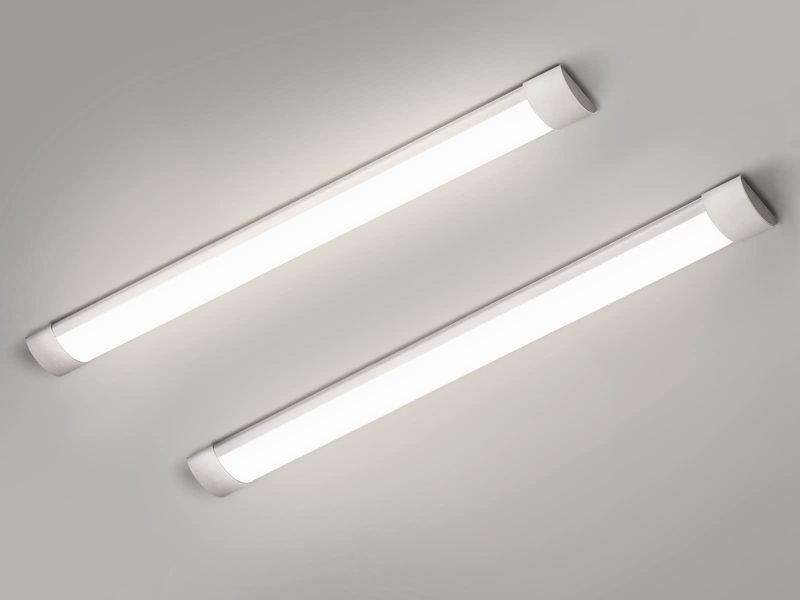
Lighting technology has changed significantly over the past few decades. Traditional fluorescent fixtures that were commonly used in garages, warehouses, offices, and commercial buildings are gradually being replaced by more energy-efficient LED lighting solutions.
Among these modern lighting products, batten light has become one of the most popular choices for both residential and commercial applications.
A batten light is a long, linear lighting fixture designed to provide wide and uniform illumination. With the development of LED technology, LED batten lights have become a preferred alternative to traditional fluorescent tube lights because they offer higher energy efficiency, longer lifespan, better lighting quality, and easier installation.
Today, batten lights are widely used in:
- Garages
- Workshops
- Warehouses
- Offices
- Schools
- Supermarkets
- Kitchens
- Utility rooms
For lighting distributors, contractors, and businesses searching for reliable lighting solutions, understanding what a batten light is, how it works, and how to choose the right product is essential.
This article will explain everything about batten lights, including their structure, advantages, applications, installation methods, and future trends.
What Is Batten Light?
A batten light is a slim, elongated lighting fixture designed to provide linear illumination.
The word “batten” originally referred to a mounting strip or support used to attach electrical components. In lighting applications, a batten light typically describes a fixture where the light source is mounted onto a long base.
Traditional batten lights were commonly equipped with fluorescent tubes. However, modern versions are mainly based on LED technology.
An LED batten light usually consists of:
- An aluminum or plastic housing
- Integrated LED chips
- LED driver
- Diffuser cover
- Mounting brackets
Unlike traditional tube lights that require separate lamps and ballasts, modern LED batten lights often use an integrated design where all components are combined into one complete fixture.
How Does an LED Batten Light Work?
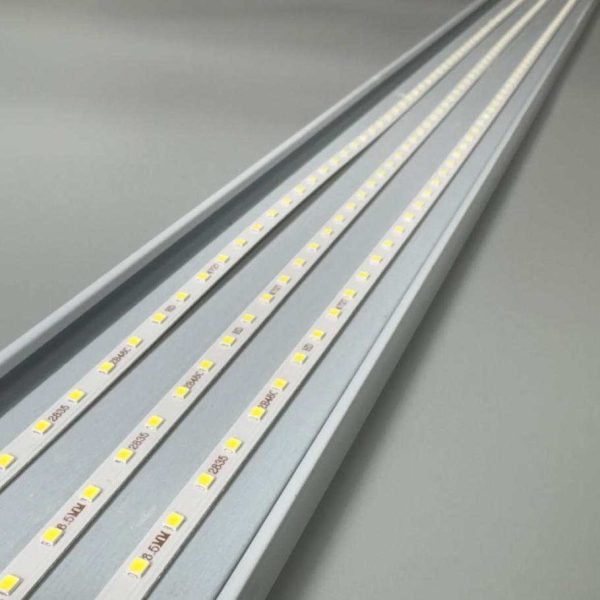
An LED batten light works by using multiple LED chips arranged along a long circuit board.
When electrical current passes through the LED chips, they produce light through semiconductor technology.
The main components include:
1. LED Chips
LED chips are the primary light source.
Compared with fluorescent tubes, LED chips provide:
- Higher efficiency
- Better brightness control
- Longer operating life
Common LED chip types used in batten lights include:
- SMD 2835
- SMD 3528
- SMD 4014
Among these, SMD 2835 LEDs are widely used because they offer good brightness and energy efficiency.
2. LED Driver
The LED driver converts AC power into the correct DC voltage required by LED chips.
A high-quality driver helps ensure:
- Stable lighting output
- Reduced flickering
- Longer product lifespan
For commercial projects, driver quality is an important factor when selecting batten lights.
3. Diffuser Cover
The diffuser covers the LED chips and helps distribute light evenly.
Its functions include:
- Reducing glare
- Creating uniform illumination
- Protecting internal components
Common diffuser materials include:
- Polycarbonate (PC)
- Acrylic
A good diffuser design can eliminate visible LED dots and create a comfortable lighting experience.
LED Batten Light vs Traditional Fluorescent Tube Light
Many customers choose LED batten lights as replacements for traditional fluorescent fixtures.
The main differences include:
Feature | LED Batten Light | Fluorescent Tube Light |
Energy Efficiency | Higher efficiency | Lower efficiency |
Lifespan | 30,000-50,000 hours | Around 10,000 hours |
Maintenance | Low maintenance | Requires tube replacement |
Installation | Simple | More complicated |
Lighting Quality | Better uniformity | May have flickering issues |
Environmental Impact | Mercury-free | Contains mercury |
LED batten lights provide significant advantages, especially for large commercial spaces where energy savings and maintenance costs are important.
Advantages of LED Batten Lights
1. Energy Saving
One of the biggest advantages of LED batten lights is energy efficiency.
Compared with fluorescent lighting, LED batten lights consume less electricity while providing similar or higher brightness.
For warehouses, factories, and commercial buildings that operate lighting for many hours every day, switching to LED battens can significantly reduce electricity costs.
2. Long Lifespan
High-quality LED batten lights can typically last:
- 30,000 hours
- 50,000 hours
- Even longer depending on product quality
This reduces the need for frequent replacement, especially in locations where maintenance is difficult.
3. Uniform Lighting Distribution
Because LED chips are distributed along the entire length of the fixture, batten lights provide smooth and consistent illumination.
They are especially suitable for areas requiring:
- Wide coverage
- Comfortable brightness
- Reduced shadows
4. Easy Installation
Most LED batten lights are designed for simple installation.
Common installation methods include:
- Surface mounting
- Ceiling mounting
- Suspension mounting
Many products support direct replacement of old fluorescent fixtures.
5. Multiple Size Options
LED batten lights are available in various lengths and power ratings.
Common sizes include:
- 600mm LED batten light
- 900mm LED batten light
- 1200mm LED batten light
- 1500mm LED batten light
This allows users to choose suitable products according to different applications.
Common Applications of Batten Lights
1. Garages and Workshops
Garages and workshops require bright and reliable lighting.
LED batten lights are popular because they provide:
- Large-area illumination
- Low maintenance
- Good visibility for detailed work
They are commonly installed above:
- Workbenches
- Storage areas
- Repair stations
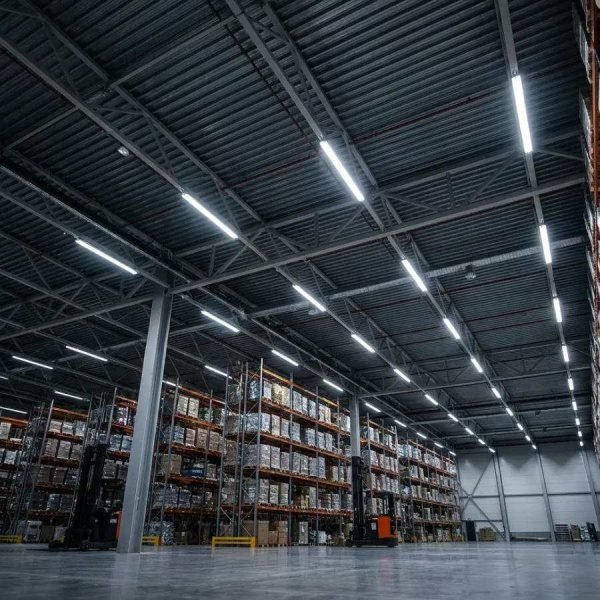
2. Warehouses and Industrial Buildings
Industrial spaces often require lighting systems that can operate for long periods.
LED batten lights are suitable for:
- Warehouses
- Production lines
- Logistics centers
Their long lifespan and energy-saving performance make them an economical choice.
3. Offices
Modern offices need comfortable lighting environments.
LED batten lights can provide:
- Even brightness
- Low glare
- Professional appearance
They are commonly used in:
- Open offices
- Meeting rooms
- Corridors
4. Retail Stores
Retail environments require lighting that improves product visibility.
Batten lights can be used for:
- Supermarkets
- Convenience stores
- Storage rooms
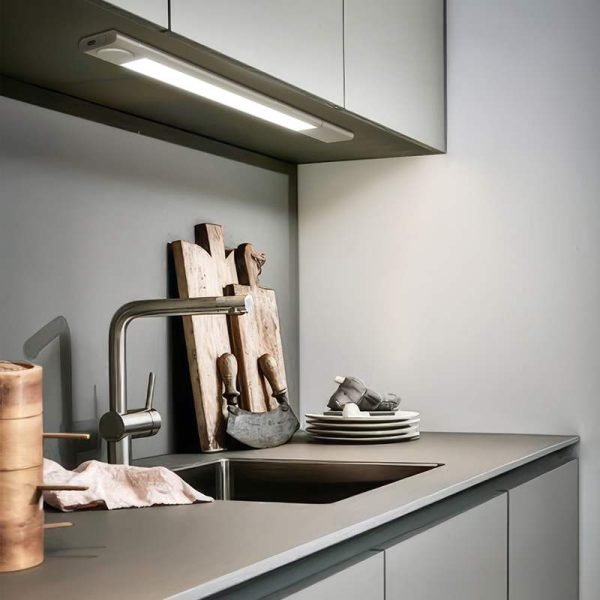
5. Residential Applications
Although traditionally associated with commercial spaces, batten lights are increasingly used in homes.
Popular residential applications include:
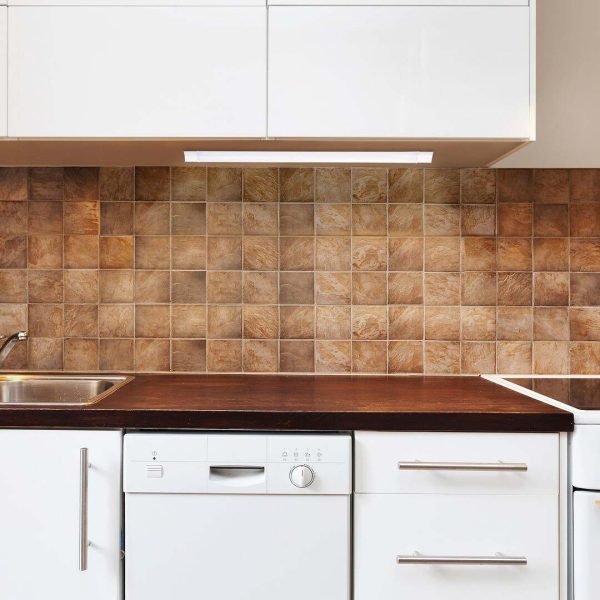
- Kitchens
- Laundry rooms
- Basements
- Utility rooms
Slim LED batten lights are especially suitable for modern homes because of their clean appearance.
Different Types of LED Batten Lights
1. Standard LED Batten Light
This is the most common type.
Features:
- Integrated LED design
- Simple installation
- Cost-effective
Suitable for general lighting applications.
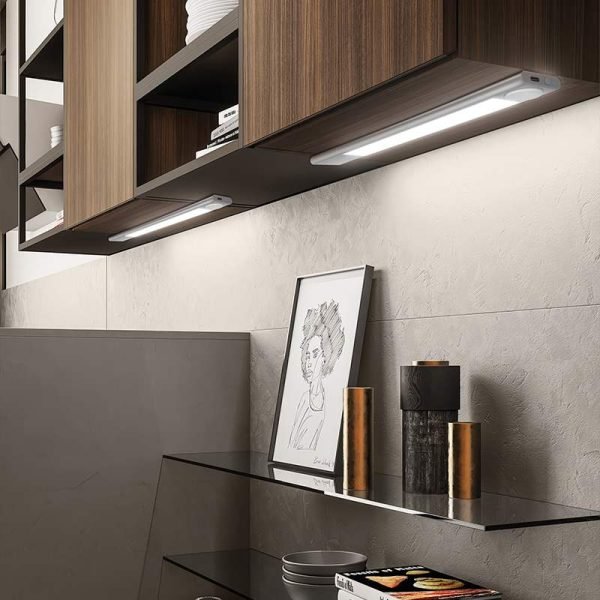
2. Slim LED Batten Light
Slim models are designed for applications where space is limited.
Advantages include:
- Modern appearance
- Lightweight structure
- Easy installation
They are popular in:
- Apartments
- Kitchens
- Retail environments
3. Emergency LED Batten Light
Emergency batten lights include battery backup systems.
When power failure occurs, they can continue providing lighting.
Applications include:
- Commercial buildings
- Schools
- Public facilities
4. Waterproof LED Batten Light
Waterproof models are designed for humid or dusty environments.
Typical applications:
- Parking areas
- Factories
- Workshops
- Outdoor covered spaces
How to Choose the Right Batten Light?
When selecting an LED batten light, several factors should be considered.
1. Brightness and Wattage
Different environments require different brightness levels.
Consider:
- Room size
- Ceiling height
- Lighting purpose
Common wattage options include:
- 18W
- 24W
- 36W
- 48W
2. Color Temperature
Color temperature affects the atmosphere of a space.
Common options include:
Warm White (2700K-3000K)
Suitable for:
- Homes
- Restaurants
- Relaxing environments
Neutral White (4000K)
Suitable for:
- Offices
- Kitchens
- General working areas
Cool White (5000K-6500K)
Suitable for:
- Workshops
- Warehouses
- Industrial applications
3. Color Rendering Index (CRI)
CRI measures how accurately colors appear under artificial lighting.
For general applications:
- CRI 80+ is acceptable
For retail and professional environments:
- CRI 90+ is preferred
4. Housing Material
The fixture material affects durability and heat management.
Common materials:
Aluminum Housing
Advantages:
- Better heat dissipation
- Higher durability
- Premium quality
Plastic Housing
Advantages:
- Lower cost
- Lightweight
5. Certification Requirements
For international markets, professional buyers should consider certifications such as:
- CE
- RoHS
- UL
- DLC
These certifications help ensure product safety and market compliance.
Why Work With Professional LED Batten Light Manufacturers?
For distributors, wholesalers, and lighting brands, choosing the right supplier is essential.
A professional LED batten light manufacturer can provide:
OEM and ODM Services
Manufacturers can customize:
- Product dimensions
- Housing design
- Wattage options
- Packaging
- Brand labeling
Product Development
Experienced manufacturers can help develop:
- New batten light designs
- Energy-efficient solutions
- Customized lighting systems
Quality Control
Professional factories usually have strict quality control processes, including:
- LED testing
- Aging tests
- Safety inspections
- Performance testing
This helps ensure stable product quality for global markets.
Future Trends of LED Batten Lights
1. Smart LED Batten Lighting
Future batten lights will increasingly integrate:
- Motion sensors
- Smart controls
- Wireless systems
This allows automatic lighting management and improved energy savings.
2. More Efficient LED Technology
New LED technologies will continue improving:
- Brightness
- Energy efficiency
- Thermal performance
3. More Slim and Modern Designs
As interior design trends evolve, batten lights will become:
- Thinner
- More attractive
- Better integrated into spaces
Conclusion
A batten light is a practical and efficient linear lighting solution that has evolved from traditional fluorescent fixtures into modern LED lighting systems.
With advantages including:
- Energy efficiency
- Long lifespan
- Easy installation
- Uniform illumination
- Wide application range
LED batten lights have become an important lighting choice for residential, commercial, and industrial environments.
Whether you are upgrading existing fluorescent lighting or selecting lighting solutions for new projects, choosing a reliable LED batten light manufacturer and high-quality products is essential.
As LED technology continues to develop, batten lights will remain an important part of modern lighting systems, providing efficient and comfortable illumination for spaces around the world.