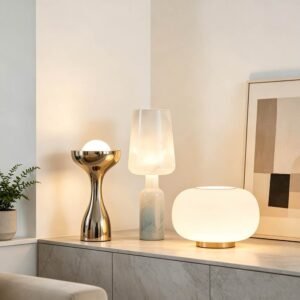

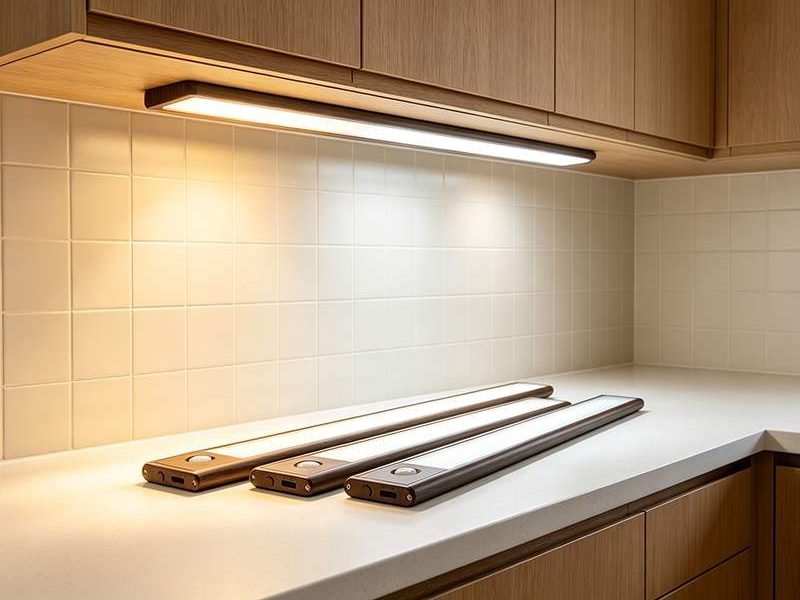
When choosing LED lighting products, many people focus mainly on brightness, power consumption, and design appearance. However, there is another important factor that directly affects the visual experience of a space:
LED lighting color temperature.
Color temperature determines whether the light appears warm, neutral, or cool, and it plays an important role in creating different atmospheres and improving the functionality of different environments.
For example, a warm light may make a bedroom feel more comfortable and relaxing, while a cooler light can improve concentration in an office or provide clearer visibility in a working area.
With the rapid development of modern LED technology, users now have more options than ever before. Many LED lighting products, including LED strip lights, cabinet lights, wall lights, linear lighting systems, and smart lighting solutions, provide adjustable color temperature functions.
But what exactly is LED color temperature? Is it really practical, or is it just a marketing feature?
This article will explain everything you need to know about LED lighting color temperature, including how it works, common color temperature options, application recommendations, and how to choose the right color temperature for different spaces.
What Is LED Color Temperature?
LED color temperature refers to the appearance of the light color produced by an LED light source.
It is measured in Kelvin (K).
Although the term “temperature” may sound like it describes heat, LED color temperature does not indicate how hot the light is. Instead, it describes the visual color characteristics of the light.
Generally:
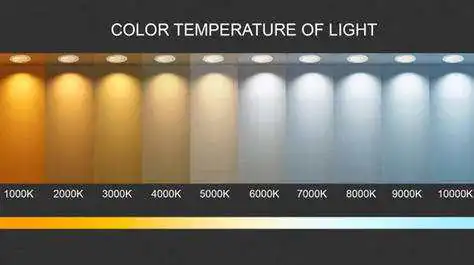
- Lower Kelvin values produce warmer yellowish light.
- Higher Kelvin values produce cooler bluish-white light.
For example:
- 2700K LED lighting appears warm and similar to traditional incandescent bulbs.
- 4000K LED lighting appears neutral and balanced.
- 6500K LED lighting appears bright and cool.
Understanding these differences helps users select the most suitable LED lighting solution for their environment.
Understanding Different LED Lighting Color Temperatures
Warm White LED Lighting (2200K-3000K)
Warm white is one of the most popular LED lighting colors for residential applications.
It creates a comfortable and relaxing atmosphere similar to traditional home lighting.
Common applications include:
- Bedrooms
- Living rooms
- Restaurants
- Hotels
- Decorative lighting
Warm white LED lighting is often preferred in spaces where comfort and atmosphere are more important than maximum visibility.
For example, a 2700K or 3000K LED wall light can make a living room feel warmer and more inviting.
Neutral White LED Lighting (3500K-4500K)
Neutral white sits between warm and cool lighting.
It provides a balanced appearance without looking too yellow or too blue.
Typical applications include:
- Kitchens
- Offices
- Bathrooms
- Retail spaces
- Work areas
Among all LED color temperature options, 4000K is considered one of the most versatile choices because it provides good visibility while maintaining a comfortable appearance.
Cool White LED Lighting (5000K-6500K)
Cool white produces a brighter and more energetic appearance.
It is commonly used in environments requiring high visibility, such as:
- Workshops
- Garages
- Commercial spaces
- Industrial areas
Cool white LED lighting can make spaces feel cleaner and more modern, but excessive use in residential areas may create a colder atmosphere.
Is LED Color Temperature Practical?
The answer is yes.
LED color temperature is not just a technical specification. It directly affects how people experience a space.
A suitable color temperature can improve:
- Visual comfort
- Interior atmosphere
- Working efficiency
- Product presentation
- User experience
This is why professional lighting designers carefully consider color temperature when creating lighting plans.

How LED Color Temperature Affects Interior Spaces
In residential environments, different rooms usually require different lighting characteristics.
Bedrooms typically benefit from warmer lighting because warm tones help create a relaxing atmosphere.
Living rooms often use 2700K-3000K LED lighting because it provides comfortable ambient illumination.
Bathrooms and kitchens usually require brighter and clearer lighting, making neutral white a better choice.
Choosing the Best LED Color Temperature for Kitchen
The kitchen is one of the areas where LED lighting color temperature has the biggest impact.
When discussing LED color temperature for kitchen, many homeowners and designers need to balance two requirements:
- Creating a comfortable atmosphere
- Providing enough brightness for food preparation and daily tasks
Generally, kitchen lighting works best with:
- 3500K-4000K neutral white lighting
This range provides clear visibility while keeping the kitchen feeling natural.
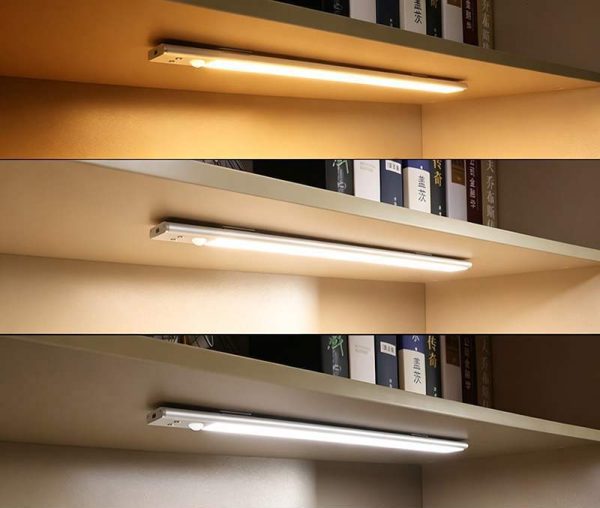
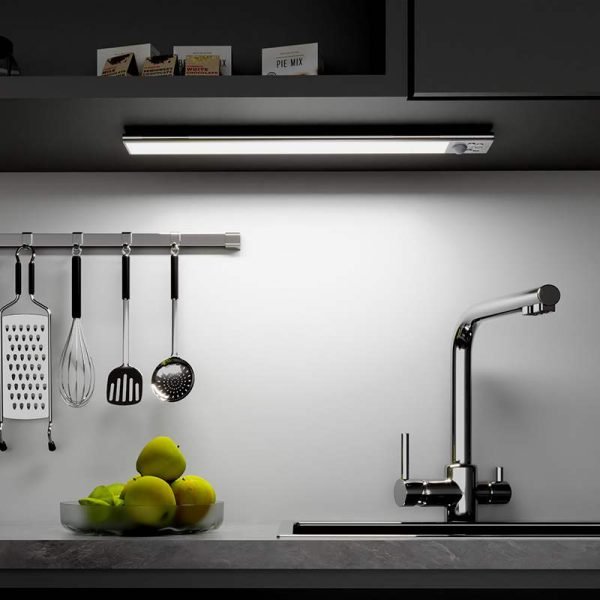
For example, an under cabinet LED light with a 4000K color temperature is a popular choice because it provides focused illumination for:
- Countertops
- Cooking areas
- Kitchen islands
Compared with warmer lighting, neutral white under cabinet LED lights make surfaces appear clearer and improve visibility during food preparation.
However, the best choice also depends on the overall kitchen design.
For modern kitchens with white cabinets and stainless steel appliances, 4000K-5000K lighting can create a clean contemporary appearance.
For kitchens using wooden cabinets and warm interior materials, 3000K lighting may create a more comfortable atmosphere.
LED Color Temperature for Commercial Applications
For commercial projects, choosing the correct LED lighting color temperature is even more important.
Hotels and Restaurants
Hospitality spaces usually focus on creating atmosphere.
Warm white LED lighting between 2700K and 3000K is commonly used because it creates:
- Comfortable environments
- Premium appearance
- Relaxing atmosphere
Retail Stores
Retail lighting requires both atmosphere and product visibility.
Neutral white lighting is often preferred because it helps customers see product colors more accurately.
Offices
Office environments usually require lighting that supports concentration.
4000K-5000K LED lighting is commonly selected because it provides a brighter working environment.
Adjustable LED Color Temperature: Is It Worth It?
With the development of smart LED lighting technology, adjustable color temperature products have become increasingly popular.
These products allow users to switch between different lighting colors.
For example:
Morning:
Cooler lighting can create a more energetic feeling.
Evening:
Warmer lighting can create a relaxing environment.
Adjustable LED lighting is especially useful for:
- Smart homes
- Hotels
- Offices
- Multifunctional spaces
Although adjustable lighting products may cost more than fixed-color products, they provide greater flexibility.
How to Choose the Right LED Color Temperature?
When selecting LED lighting color temperature, consider the following factors.
1. Consider the Purpose of the Space
Ask:
What is the room mainly used for?
Relaxation:
Choose warm white.
Working:
Choose neutral or cool white.
Mixed usage:
Choose adjustable color temperature LED lighting.
2. Consider Interior Design Style
The interior material and color scheme also influence the best choice.
Warm materials:
- Wood
- Beige walls
- Natural fabrics
Usually match well with warm white lighting.
Modern materials:
- Glass
- Metal
- White surfaces
Often work well with neutral or cool lighting.
3. Consider Existing Lighting
If a room already has lighting installed, new LED lighting should match the existing color temperature.
Mixing different color temperatures in the same space can create an inconsistent appearance.
Common Mistakes When Choosing LED Color Temperature
Choosing Only Based on Brightness
A brighter LED light is not always better.
A poorly selected color temperature can make a space uncomfortable even if the brightness is sufficient.
Using Cool White Everywhere
Cool white lighting provides excellent visibility, but using it throughout a home can make spaces feel cold.
Ignoring Application Differences
A kitchen, bedroom, office, and retail store have different lighting requirements.
The same color temperature may not work equally well in every environment.
FAQ
1. What is the best LED color temperature for home lighting?
For most homes, 2700K-3000K is suitable for bedrooms and living rooms, while 3500K-4000K works well for kitchens and work areas.
2. Is 4000K LED lighting good for kitchens?
Yes. 4000K is one of the most popular choices for kitchens because it provides clear visibility while maintaining a comfortable atmosphere.
3. What color temperature is best for under cabinet LED lights?
Most kitchens benefit from 3000K-4000K under cabinet LED lights. The best choice depends on the kitchen design and personal preference.
4. Are adjustable color temperature LED lights worth buying?
Yes. Adjustable LED lighting provides greater flexibility and allows users to create different lighting environments for different activities.
Conclusion
LED color temperature is an important factor that directly affects the performance and experience of LED lighting.
Understanding LED lighting color temperature helps users choose the right lighting solution for different environments.
Warm white creates comfort and relaxation.
Neutral white provides balanced visibility.
Cool white improves brightness and working efficiency.
For specific applications such as kitchens, choosing the correct LED color temperature for kitchen can significantly improve both appearance and practicality. Products like under cabinet LED light with suitable color temperature provide better task lighting while enhancing the overall kitchen atmosphere.
Whether for residential projects, commercial spaces, or professional lighting applications, selecting the right LED color temperature is not just about choosing a light color — it is about creating a better lighting experience.